
The Golden Lion: Thriving In The Fringes
Outside of the major cities, disenfranchised communities across the north of England have been central to the evolution of UK dance music. While superclubs like Hacienda and Cream burned acid house into the nation’s collective consciousness, less than a stone’s throw away party starters in towns like Blackburn and Stalybridge were raving in derelict mills and post-industrial squats throughout the Pennines.
This contrast between the mainstream and alternative has always been a stark one. Even within Manchester itself, the after-hours shebeens of the Hulme Crescents gave rise to a counterculture that had arguably played just as important a role in shaping the city’s musical history as Factory Records, helping to cement raving’s reputation as a mode of rebellion as well as a means of escape. And with dance music arguably as commercially successful as it’s ever been, towns like Todmorden and Hebden Bridge are keeping this tradition alive. Drawing in clued up dancers with the promise of a looser, more eclectic, and more affordable, alternative to the sanitised scenes of nearby cities.
“It’s like there’s something magical in the air. You can’t even explain it but once you’ve been here, you know” -Tia Cousins, 15 minutes before her set time at the 10th birthday party of Todmorden’s Golden Lion.
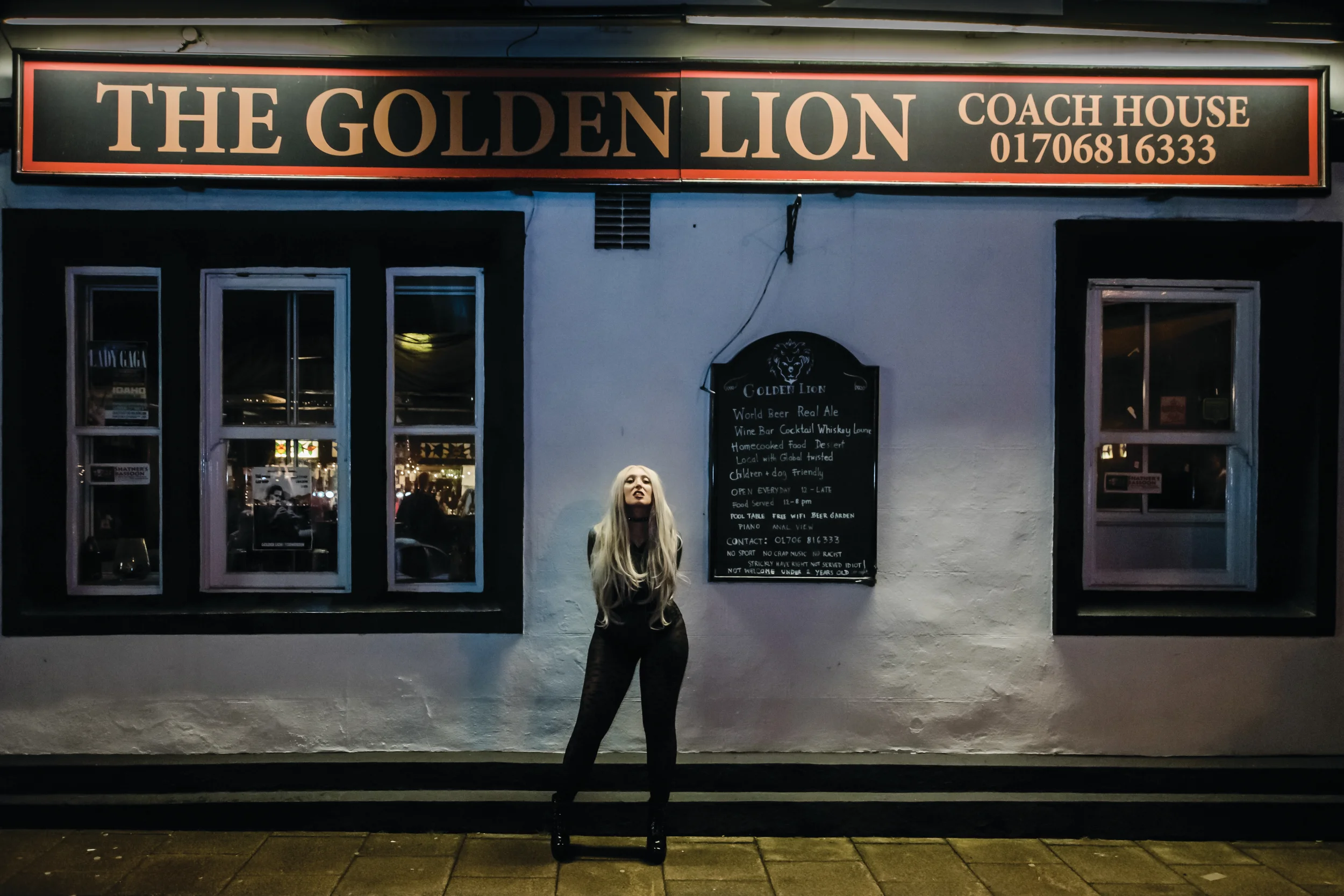
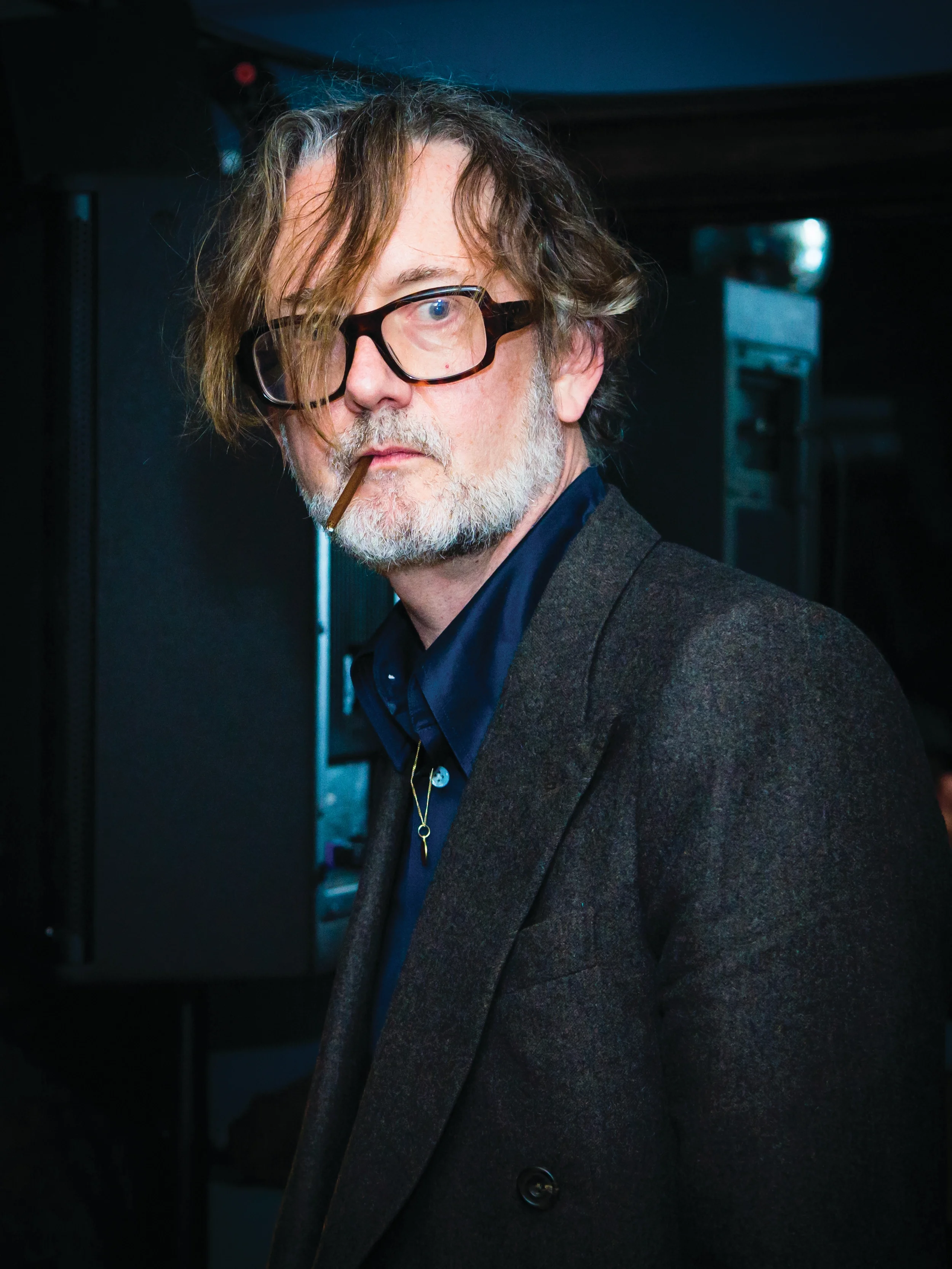
A decade is an impressively long time for a club to stay in business – not least in the current economic climate. Recent research from the Music Venue Trust indicates that four in 10 grassroots venues are operating at a loss. Yet nestled in a town with no hugely notable clubbing history of its own, the Golden Lion isn’t just surviving – it’s thriving. Championed by luminaries such as Pulp’s Jarvis Cocker and the late, great Andy Weatherall, slowly and quietly it has developed a reputation as one of the UK’s best dancefloors.
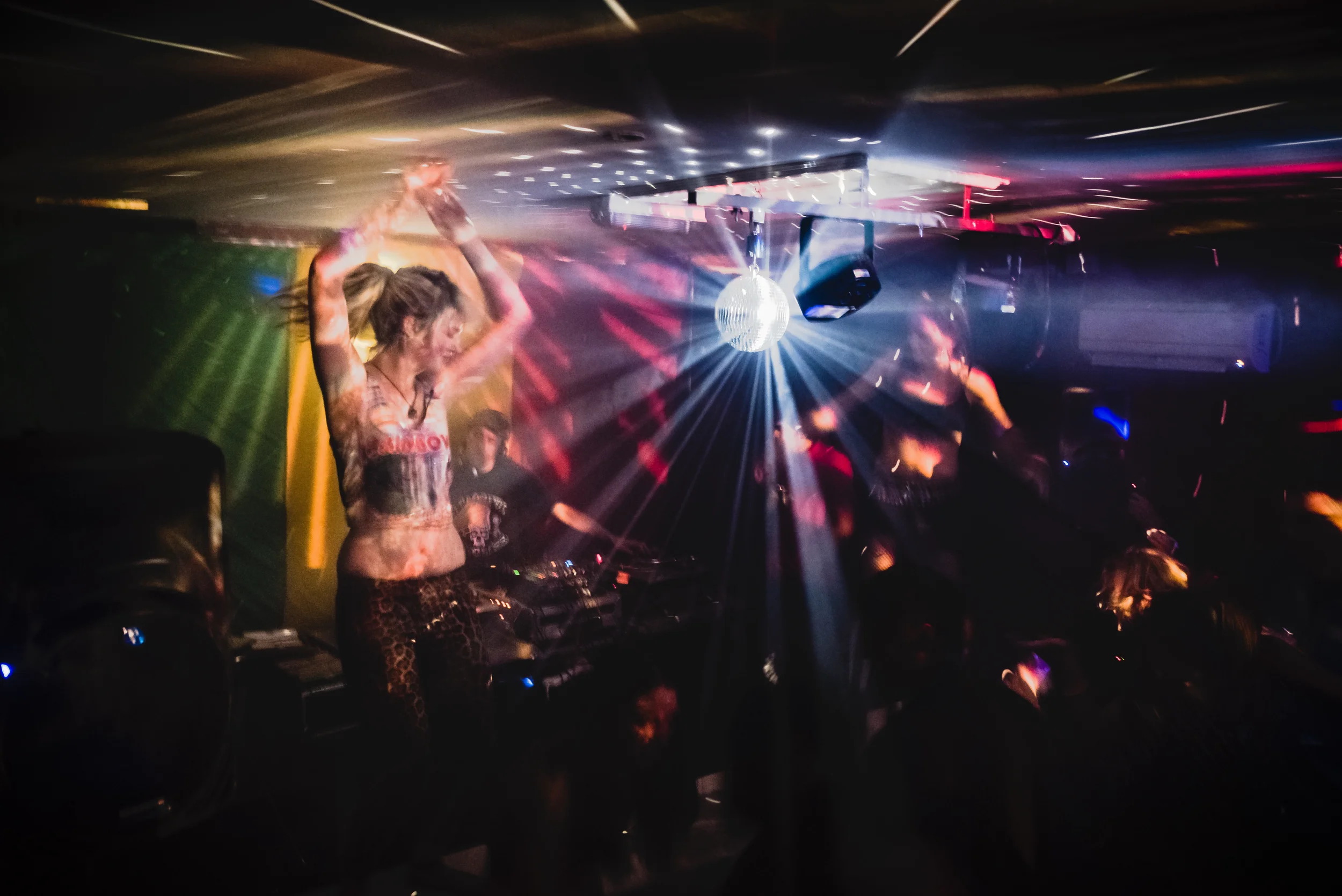
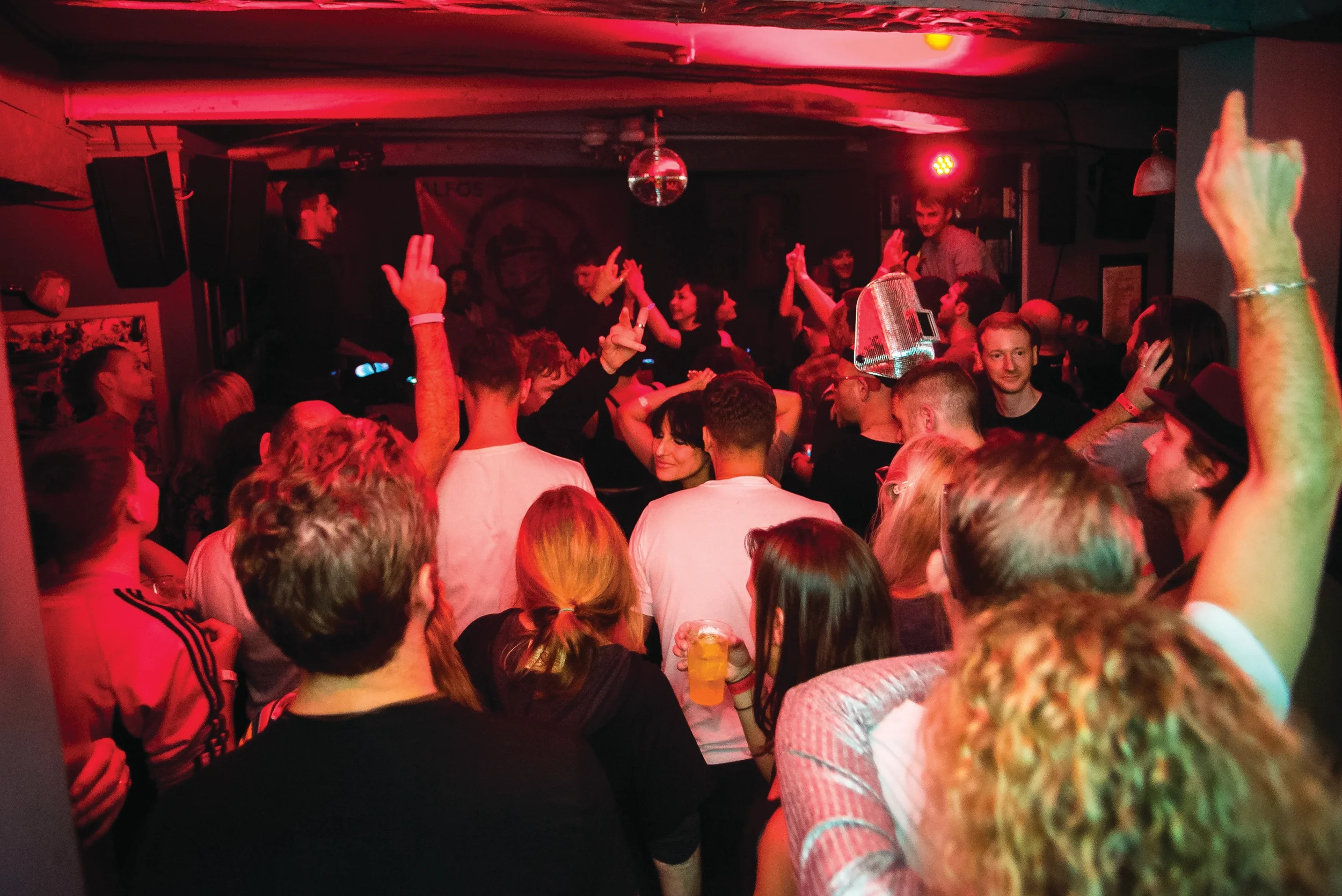
In the past year alone the venue – which functions as a pub and Thai restaurant during the day – has welcomed a slew of dance music’s biggest names, including Joy Orbison, Dave Clarke, Mella Dee, Erol Alkan, Orbital, Daniel Avery and Crazy P. Promoters looking to book in a weekend event will have to wait a year for a free slot.
“When everyone’s travelled here far and wide for the music, you get a much better vibe than in the city” Says Tia Cousins. “There’s nowhere like this in the city”.
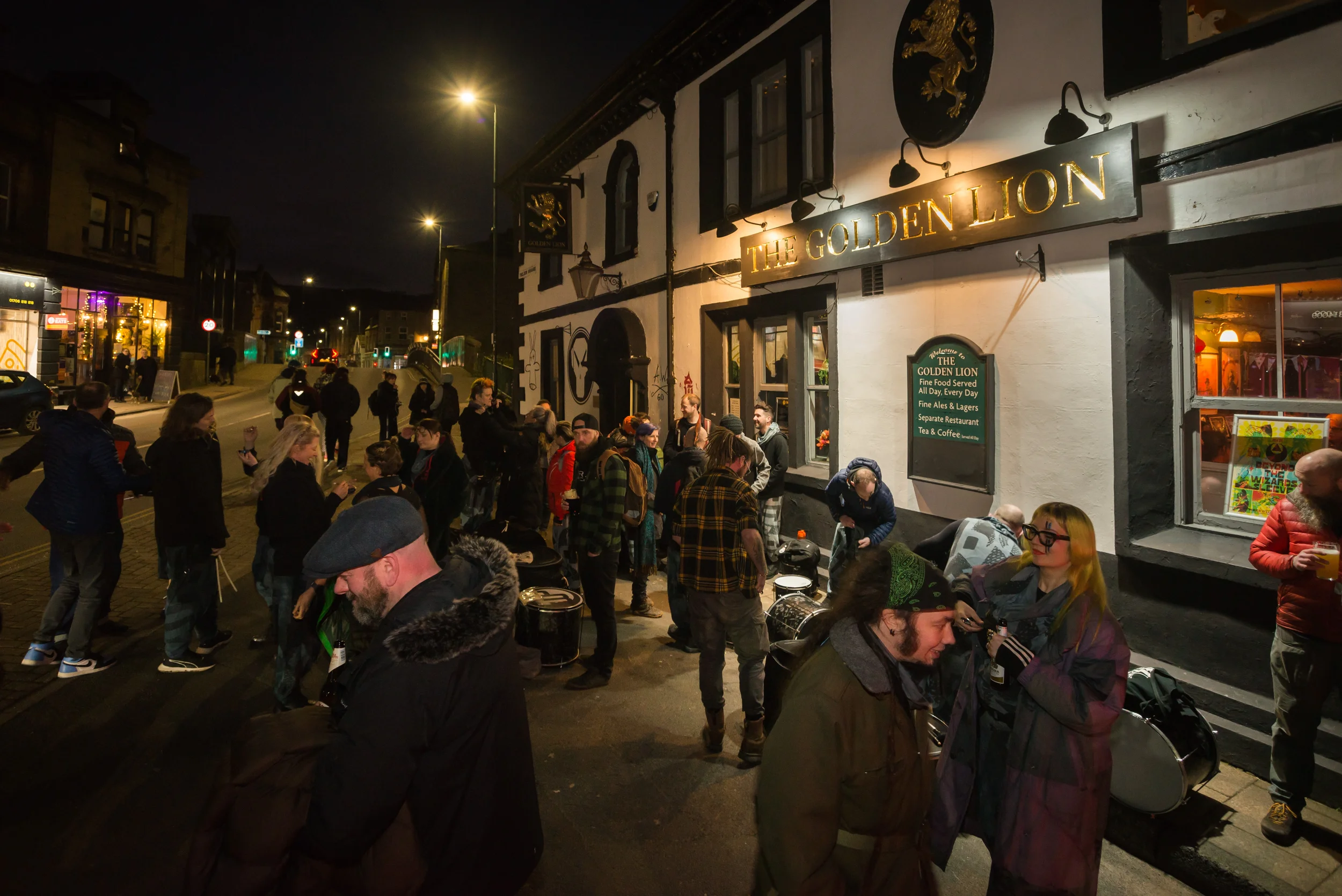
But why are people travelling so far to visit? Much of Todmorden’s allure is down to its distinct vibe, which is noticeably looser and more liberal than most other towns I’ve visited. All of the four locals I interview at the pub’s birthday celebrations refer to the town as having its own “unique energy”. This is partially down to its relatively secluded location. There’s certainly a feeling that you can get away with more up in the hills, with regular trains from Manchester and Leeds enticing city dwellers looking to let loose amongst the town’s diverse and often rowdy nightlife. There’s more to it than that, though – eccentricity is woven into the town’s social fabric. It’s well known that neighbouring Hebden Bridge experienced an influx of young people, environmentalists, and people seeking alternative lifestyles in the late 70s, leading to it being christened ‘the hippie capital of the UK’.
Although many of these liberal cultural attitudes spilled over into Todmorden, it didn’t enjoy the same economic success of its neighbour and remained relatively deprived. The town’s nightlife did enjoy a short renaissance throughout the late 90’s with Out in the Sticks, a house-oriented night run by DJ and promoter Russell Marland at local nightclub Bluenote, that attracted a steady stream of punters every week and perhaps lay a foundation for what was to come. But after the night’s final party in 2002, Todmorden’s cultural scene began to stagnate again, and the town centre continued to decline.
However, this downturn gave the town a comparative affordability that attracted an eclectic mix of residents, cultivating a melting pot of cultures and ideas that drove its evolution into what it is today. This includes Matthanee “Gig” Nilavongse and her partner, Richard “Waka” Walker, the Golden Lion’s owners. “When I first moved up North, every Sunday I would visit a different town. The first time I visited Todmorden, I left within ten minutes”, says Gig, as we shelter from the pub’s 10th birthday celebrations in its kitchen. “It was around the financial crisis and everywhere in the town was shutting down”. Originally from Thailand, Gig is one of the driving forces behind the town’s evolution – but she recalls it seeming “redneck and very white” when she first moved there. Despite this, she saw similarities between the Yorkshire mill town and home.
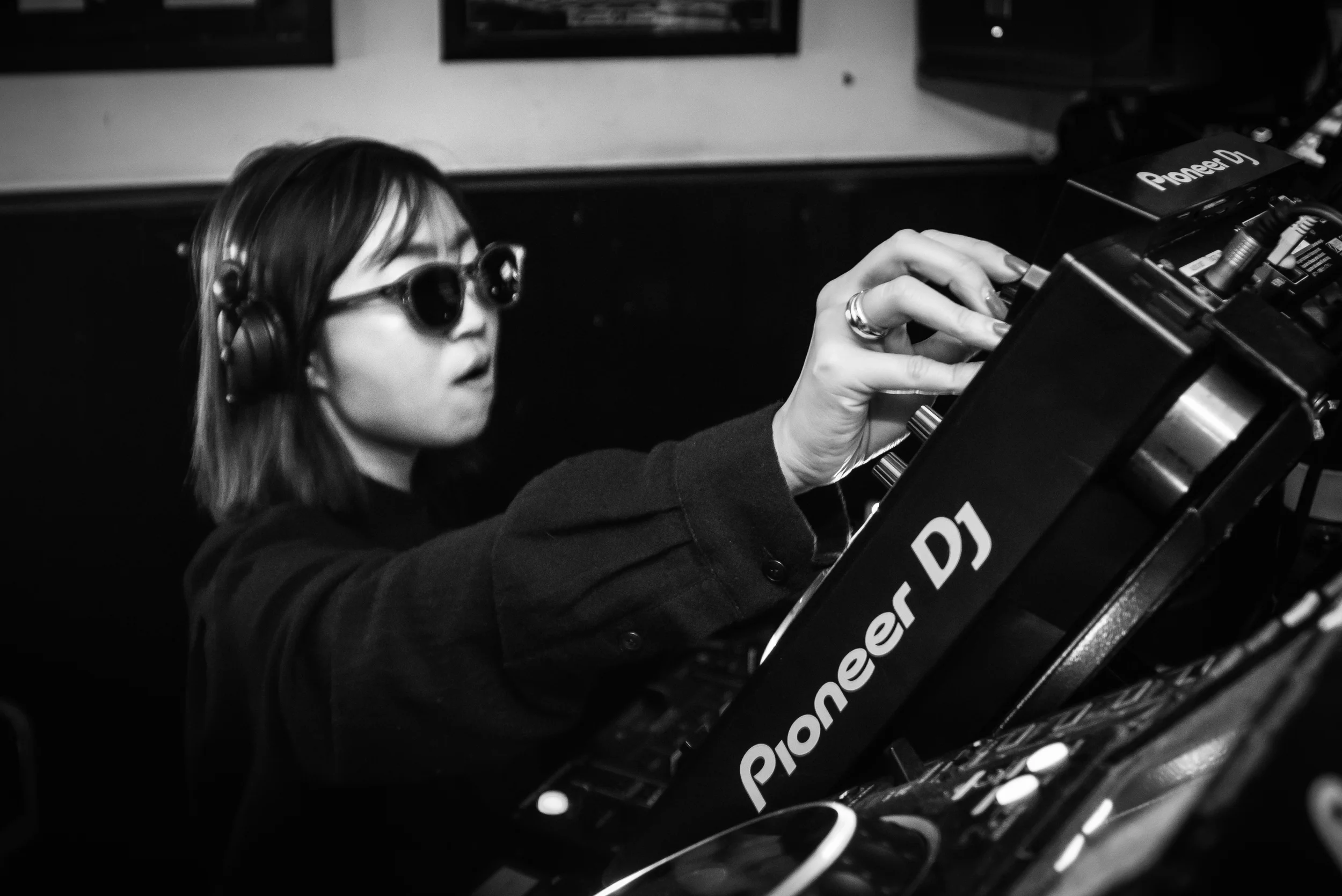
“In Thailand, we go to the temple to meet people. In the UK, you go to the pub – it’s an important social space”, she reasons. Under her stewardship, the boozer remains a key fixture in the local community, evident in the loyal crowd of locals it has cultivated.
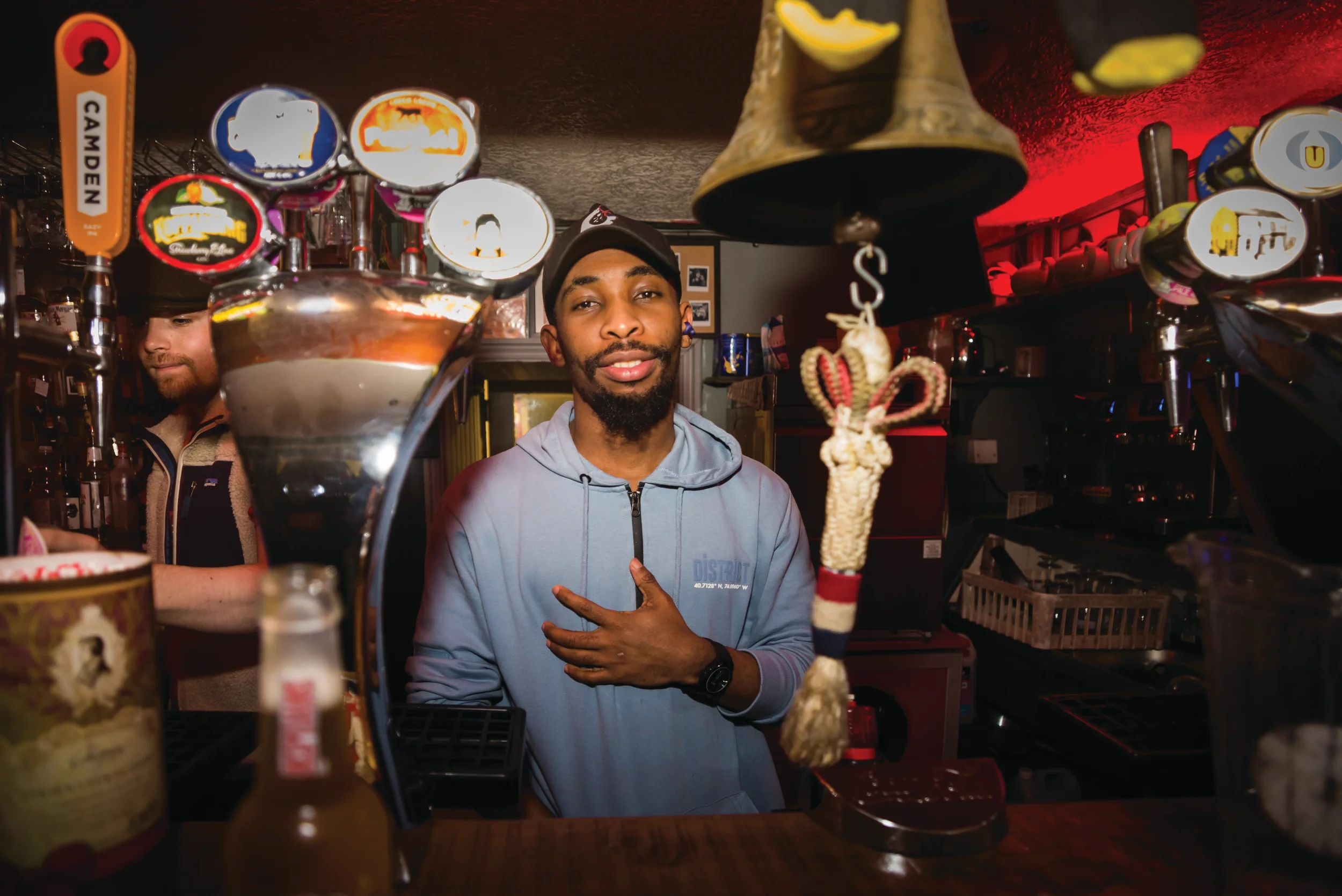
On an average night at the Golden Lion, you’re just as likely to bump into a dreadlocked hippie wearing no shoes as a tradesman nipping out for a pint after a long shift. It sells real ales and Thai food. Everyone is looked after. The varied age range of attendees is also noticeable. This aspect is particularly important to Gig, who cites negative experiences clubbing as an over-50 in nearby Manchester and Leeds: “We welcome everybody here”, she says. “Everybody gets to dance together”.
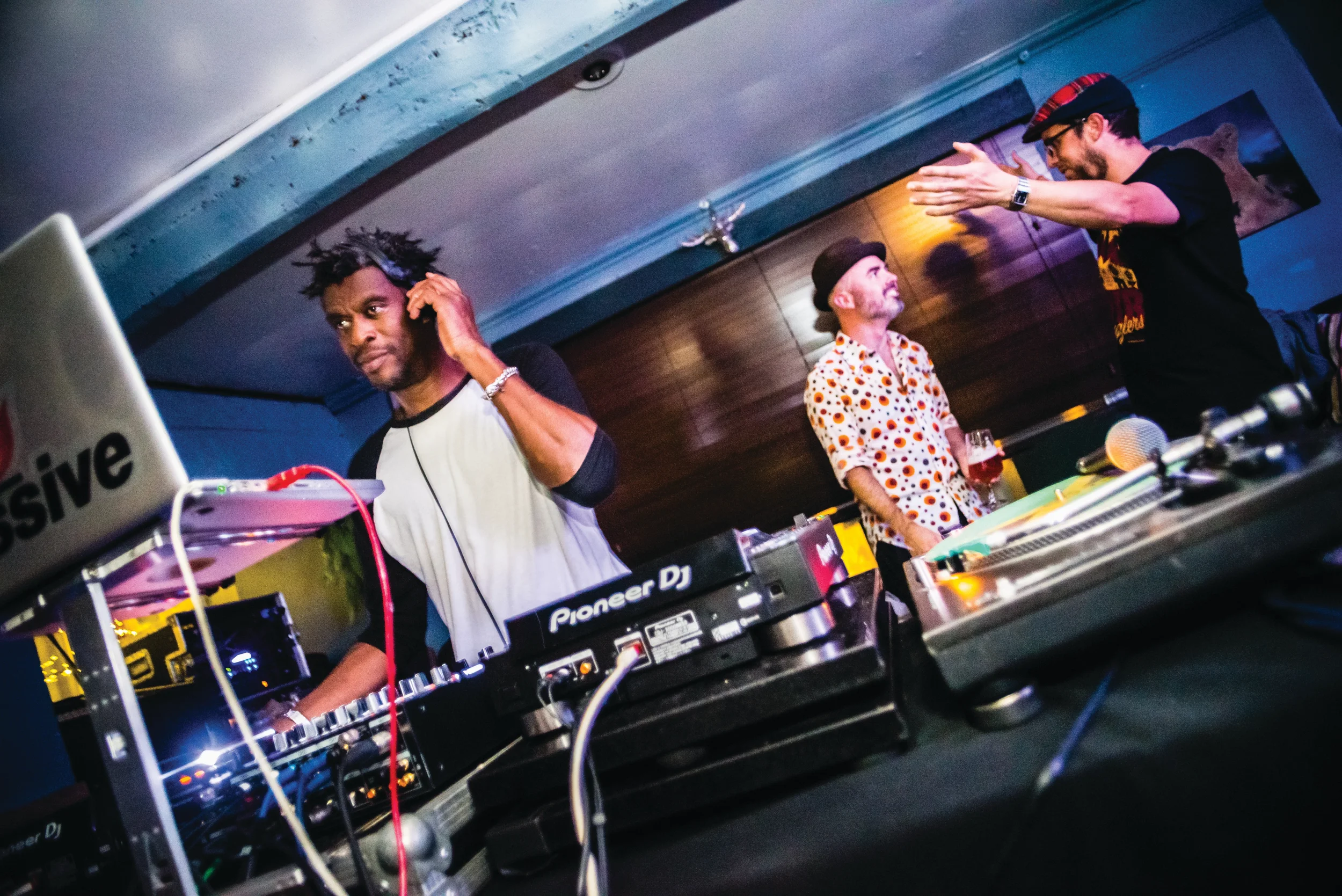
This desire to ensure everyone is catered for is also true for the venue’s music policy. “I wouldn't say we're really known for just one sound. We have so much that covers the spectrum of all genres,” says Matthew Humphreys, one of the pub’s resident DJ / promoters. “We're really quite all-encompassing. House, Techno, Disco, Dub, Reggae, guitars, DnB . . . we have the lot.”
It helps that the venue continues to attract the big names, which Humphreys believes is down to its unique personality and intimacy. “The booth is a basic DJ booth, but we have a fantastic rig. The crowd's right up in your face. You're on the same level as them.We also make a lot of effort with welcoming and hosting . . . There's a passion and obsession that I think the artists / producers / DJs understand.” One artist who definitely understood was Weatherall, whose constant championing of the pub and town helped put it on the radar of other musicians around the world. Weatherall famously took a “no rules” approach to making music, so it’s easy to see why he felt at home in the town, and why there remains a shrine dedicated to him behind the bar.
“My partner knew Andy from a very young age, and while taking him to a show at the Trades Club (in nearby Hebden Bridge), we cheekily brought him to our own pub, claiming that we needed to stop off for the toilet”, laughs Gig. “But once he was in here and had a look around, he knew that this was a special place.” In an era of superclubs and stadium raves, it’s refreshing to see a venue like the Golden Lion thriving. Less than 25 miles from Manchester, where the once-famous nightlife is becoming increasingly commercialised and homogenised. Here is a shining example of how a grassroots venue can thrive through a focus on community values and great music, while catering to the needs of nearby residents.
Whether it can act as a blueprint for success remains to be seen though, as the context that’s allowed it to flourish is becoming increasingly rare. The various northern enclaves mentioned throughout this article that have driven dance music’s evolution share one common factor – affordable housing costs. While Todmorden’s thriving scene is largely down to innovators like Gig and Waka, it’s hard to know if the ever-growing cost of living will allow others to replicate their success in other towns.
There’s even the danger of Todmorden becoming a victim of its own success, and that its growing popularity leaves no room for the eclectic residents that make it what it is. It’s not easy to see this happening, however. Crucially, success isn’t the priority for Gig and the team. “We don’t want to become a destination. We just want to make sure that everyone here is looked after!” she exclaims, before taking her place back in the centre of the dancefloor.
Written by Dylan Burchill
Edited by Joe Hurdman