In conversation with: Discability
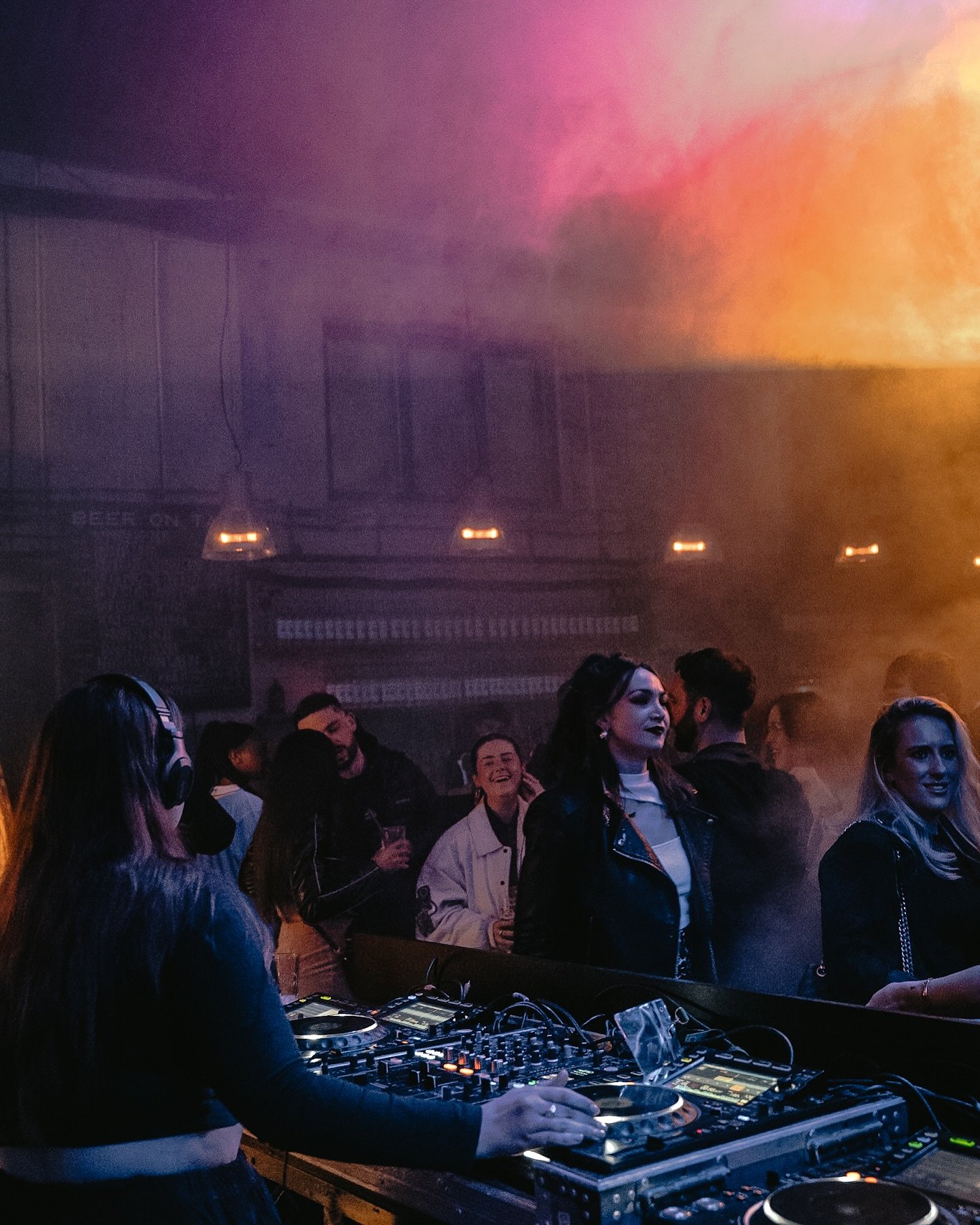
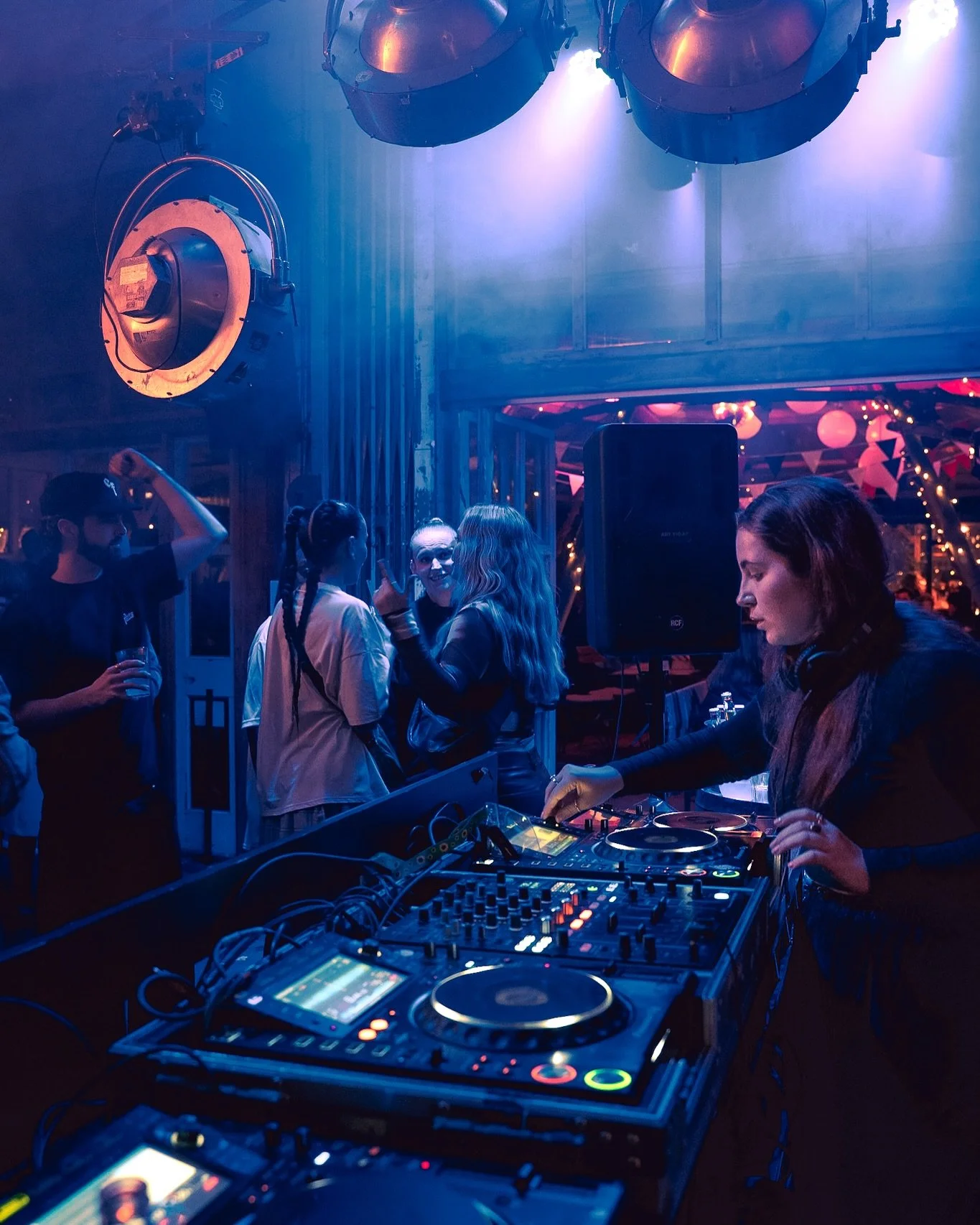
In the years since first stepping behind the decks, Pip (@___pip__) has carved out a space that’s as bold, brilliant, and uncompromising as the mixes she creates. Whilst also transforming dance floors by night, Pip is also the founder of Discability, a platform dedicated to making music spaces more accessible and inclusive for disabled people. Now, with her return to university and her sights set on reshaping the industry from the inside out, Pip speaks to Dance Policy about burnout, balance, and why creating space for disabled voices in dance music isn’t just overdue, it’s essential.
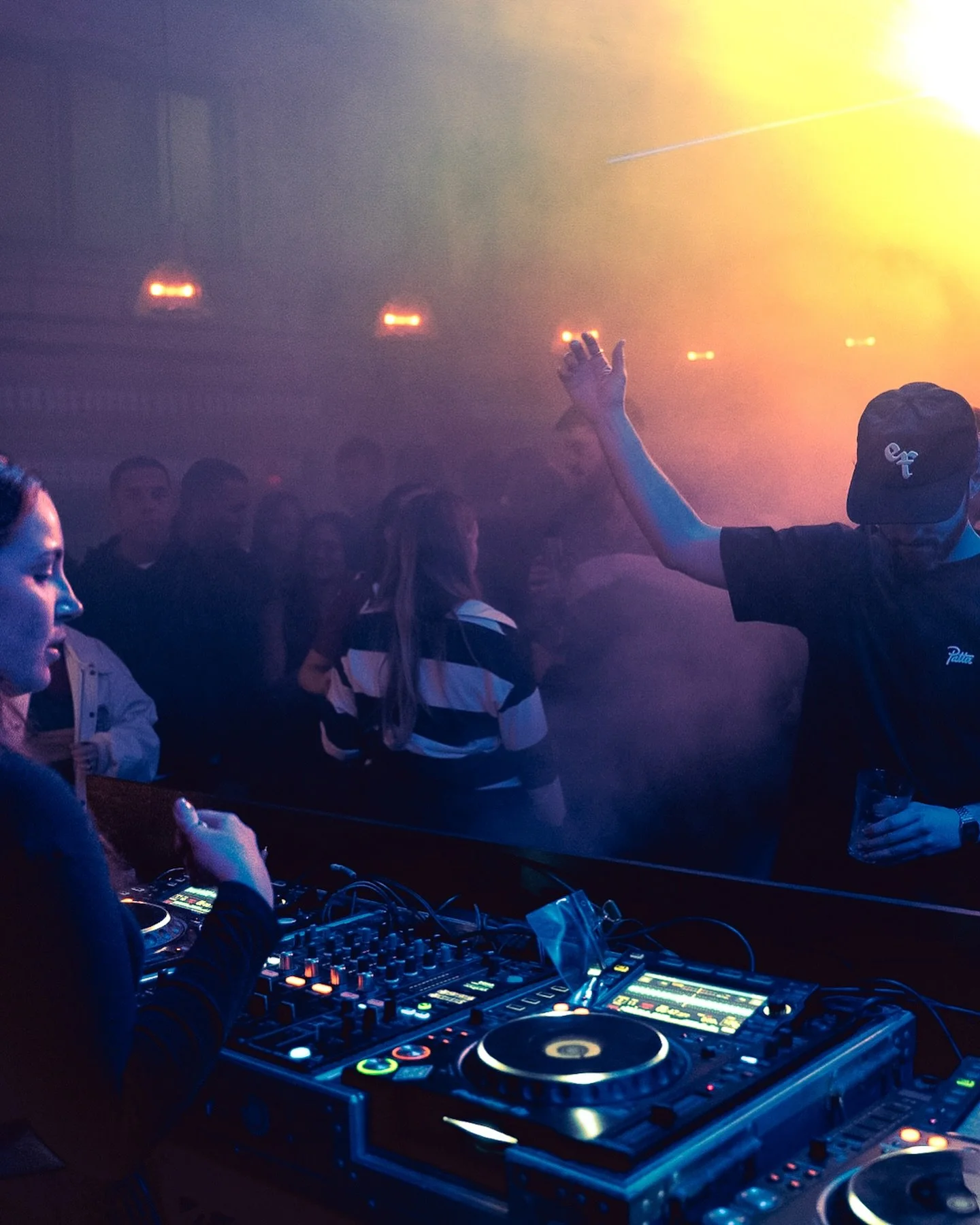
I first came across Pip at what I thought would be a quiet art exhibition opening at PUBLIC in Manchester’s Northern Quarter. She was behind the decks, delivering a high-energy set that had the whole room buzzing and even a few of my mates turn to ask “wait, who is this?!” . Naturally, I had to go over and introduce myself. After connecting on Instagram, it became clear that Pip was more than just a talented DJ, she was building something much bigger, and I couldn’t wait to spotlight her for Dance Policy…
What led you to getting into the music industry in the first place?
Thanks to my dad, I’ve always been around music. Whether it was vinyl nights, singing and piano lessons or going to gigs with my brother I’ve always had a desire to be involved in some way within the music industry. But I lacked the knowledge or confidence to go for it because I rarely saw young women involved. It didn’t feel like a space for me.
Then I received my autism diagnosis in 2023 and it was like this big light bulb moment where everything made sense. From being young, I have always felt like I’m on the outside looking in and was always too afraid to just say yes and give things a go. But, when I was diagnosed I felt I had missed out on so much because I didn’t know why I was the way I was. It was then that I gave DJing a go because I had nothing to lose and understood myself so much more and didn’t want to waste anymore time being frightened of being involved.
So what did you do next?
I bought a pair of decks off vinted for a few quid and just gave it a go and thought to myself, as long as I enjoy it, it doesn’t matter where it takes me.
Well it certainly took you places. What are your favourite venues to perform in?
Small. Intimate. Sweaty. Wherever they are, I will be there. I’ve not done bigger stages yet, but I think you just can’t beat a small grassroots venue where the music is the main reason people are there. My favourite venue to date has to be Ramona where I played for Staple Musics first birthday with Urbi and Hayely Zalassi (still can’t believe I was on the same line up as Hayley).
You’re very open on your socials about your autism and your advocacy for how the music industry can become more accessible and inclusive for disabled people. In your opinion, how important is it that these changes are made?
It is vital for the survival of the scene at this point. The bigger venues and promoters need to inject their huge profits into making their sphere of influence more accessible, because when it becomes a common act it becomes more achievable for smaller, less funded venues too.
Don’t get me wrong, accessibility is an attitude and a continuous conscious effort such as; could your website be more accessible? Are your staff adequately trained? Do you understand the DJ’s you have on and what you can do to support them? It doesn't have to cost thousands of pounds, but at the moment it’s just not being considered by venues or promoters at all.
What is the positive impact it could have for artists, spaces, the crowds, and society in general?
The positive impact all this would have is a community which we are severely lacking in and have been for a while. I say this all the time but I am sick of the industry profiting off of marketing itself as this inclusive, ‘come as you are’ space when disabled people are completely left outside of this scope and when they are considered, it is through a ‘one size fits all’ lens.
It’s time to challenge people's perception on who can party and invest in communities within the nightlife industry that actually make an effort to consider and enact accessibility.
Do you find your autism influences the music you play?
100% yes, I can only play songs that I am invested in and love all of the way through or I need to be obsessed with it to be able to mix it. I usually will hyperfixate on one track that makes my ‘brain itch’ and then structure a full set around that and never use the same track twice.
Based mainly in Liverpool and Manchester, what do you think of the music scenes in the cities?
I am a big fighter of anything northern is better, so I adore the Manchester and Liverpool scenes because that’s where I’ve had all of my experiences as a punter when I was younger.
It’s a melting pot of people and talent and I do genuinely feel it’s got more graft and passion for music because of its history that still lives on today. Places like Hacienda, northern soul clubs and madchester days have all helped to mould the modern day northern electronic music scene which is founded on working class roots. I would hate for the scene to lose touch of that.
Liverpool as well, all venues are rooted in a rich history of the city and there is always a strong essence of community in the Liverpool nightlife. When I think of the Liverpool scene, I think of grit, passion and determination to keep the scene alive and every artist I meet always has a deep passion for the music which is refreshing to be around.
How as a disabled female artist do you find the variety of opportunities it offers to artists such as yourself?
For my lived experience, I do find it complex to integrate within the scene as a DJ because there is so much ambiguity. One thing people always say to me is ‘just network!’ but to me and my autistic brain don’t understand what that means. Do I hand in a full CV or do I need the gift of the gab? No one has told which yet!
I have found more confidence in learning the power of no and realising that just because the fast paced nature of the industry is something others may thrive off or respect as a right of passage into the industry, I don’t want to do that and that’s ok.
Being Disabled in an industry that thrives off of constantly doing the most and being on the go and actively slowing down and doing things at my own pace feels like a satisfying act of resistance to the hustle culture within the industry.
What would you like to see more of in the music industry moving forward?
More collaboration and communication between everyone
More women and Non - Binary folks (we seem to have regressed with the lineups recently)
More Disabilities
Active changes being implemented with venues and promoters regarding accessibility
People with lived experience being included in decision making
Can you tell me a little bit about Discability? When it started, why it started, the work you do etc…
Discability was conceived about a year ago after acknowledging the barriers I faced early on and still do within the industry. Because I’m a high masking autistic person, I can crack on with things and not ask for any help, but then I started thinking “what about the people who don’t have that option?” .
My Dad as well, he lives with Parkinsons and Functional Neurological Disorder (FND) and we have found it really difficult to attend gigs and experience live music together due to venues and promoters not being clear with the access of the venue and what they are able to provide.
The nightlife industry seldom acknowledges accessibility and it is treated as an after-thought rather than a vital part of the structural integrity of an event being put on. It is important to remember that access is not just about physical access, there are many ways promoters and venues can make their events more accessible.
I have big plans for Discability but at the moment it consists of research, information posts about accessibility, and I also do a monthly mix with people in the scene such as Maracuya, Princess Elf Bar and Martha . They will do a mix filled with their ‘brain itch’ faves and we talk a little about their disability and how it impacts their style and place in the industry.
What impact has Discability had on your life and the life of others?
Discability has had a huge impact on my life. As an autistic person trying to navigate all this stuff, I feel quite lonely sometimes and find things overwhelming, Discability gives me a sense of community. I think for other people that same sense of community and also confidence that promoters and venues are acknowledging the work of Discability and want to get involved.
Where do you see Discability in the next 3-5 years?
I would like to see Discability go down the advocacy route for nightlife venues and promoters and being a support network for establishments wanting to understand and implement more with accessibility.. My biggest goal is to host events that are the most accessible and inclusive spaces they can be so…stay tuned for that…very soon.
Just to put you on the spot right now, who are your top three favourite disabled artists in the music space right now?
Maracuya
Hasvat Informant
Charly Schaller
Who is your dream music collaboration? Could be another artist or even a producer, whatever!
I would really like to collaborate with a festival or large scale music event with a full or majority Disabled line-up and with an event space created with full access in mind.
Thanks so much for taking the time to chat with us at Dance Policy! Tell our readers where they can next catch you and your upcoming sets
I am working on something very exciting for Disability Awareness Month so something is brewing for December but I cannot say anymore! I also have a few gigs lined up for early 2026 but I am also sworn to secrecy at the moment.
Written by Molly Clare
Edited by Joe Hurdman