
Never Sleep: The Redefining Hardcore Label
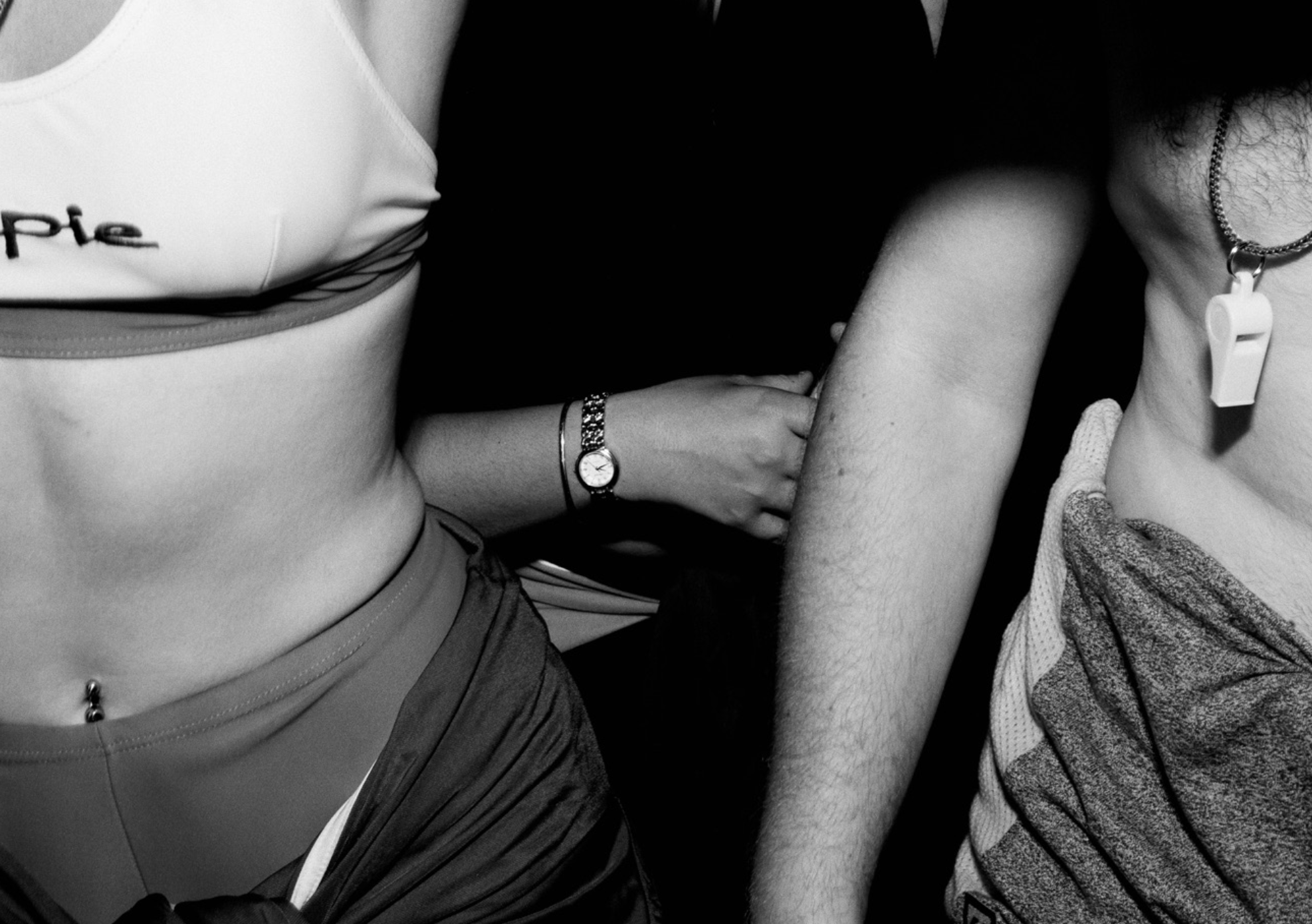
Taken from ‘Hardcore Soul’ book, released in collaboration between Never Sleep and Ewen Spencer
“In five years, I don’t think our approach has changed at all”, Alberto Guerrini tells Dance Policy, who also goes by the DJ name Gabber Eleganza, “If anything, it’s become more radical.” What initially began in 2017 as a Tumblr archive of hardcore and global rave scenes, sharing photography, music, and fashion pieces he found in magazines and fanzines, turned into what is now known as the Never Sleep label. This fully fledged independent platform releases music alongside books and clothing revolving around the theme of hardcore music, and subsequently became a recognisable brand ambassador for club culture worldwide.
How we connect with music culture has changed rapidly in the last 10 years. Just five years ago, events pages on Facebook were the go-to place to promote your club event; now, it’s an event ghost town for the younger generation. Youth culture, even before the pandemic, isn’t static, leapfrogging from one platform to another. Facebook, Instagram, Snapchat, to TikTok. It's no surprise the format has changed in five years. In fact, you’ll have likely encountered the phrase “back in my day” at least once from older ravers who experienced the 1988 second summer of love. No phones, no venue directions, just word of mouth. This is a distant reality from today, as how we approach promoting music, club events, festivals, and dance culture has irreversibly changed into an all-encompassing algorithm-pleasing format. It’s no longer enough to only release music and expect the same results as thirty to forty years ago. It is within this space where the radical work of Never Sleep tears up the traditional understanding of what a label is in 2025 with their multi format eco-system.
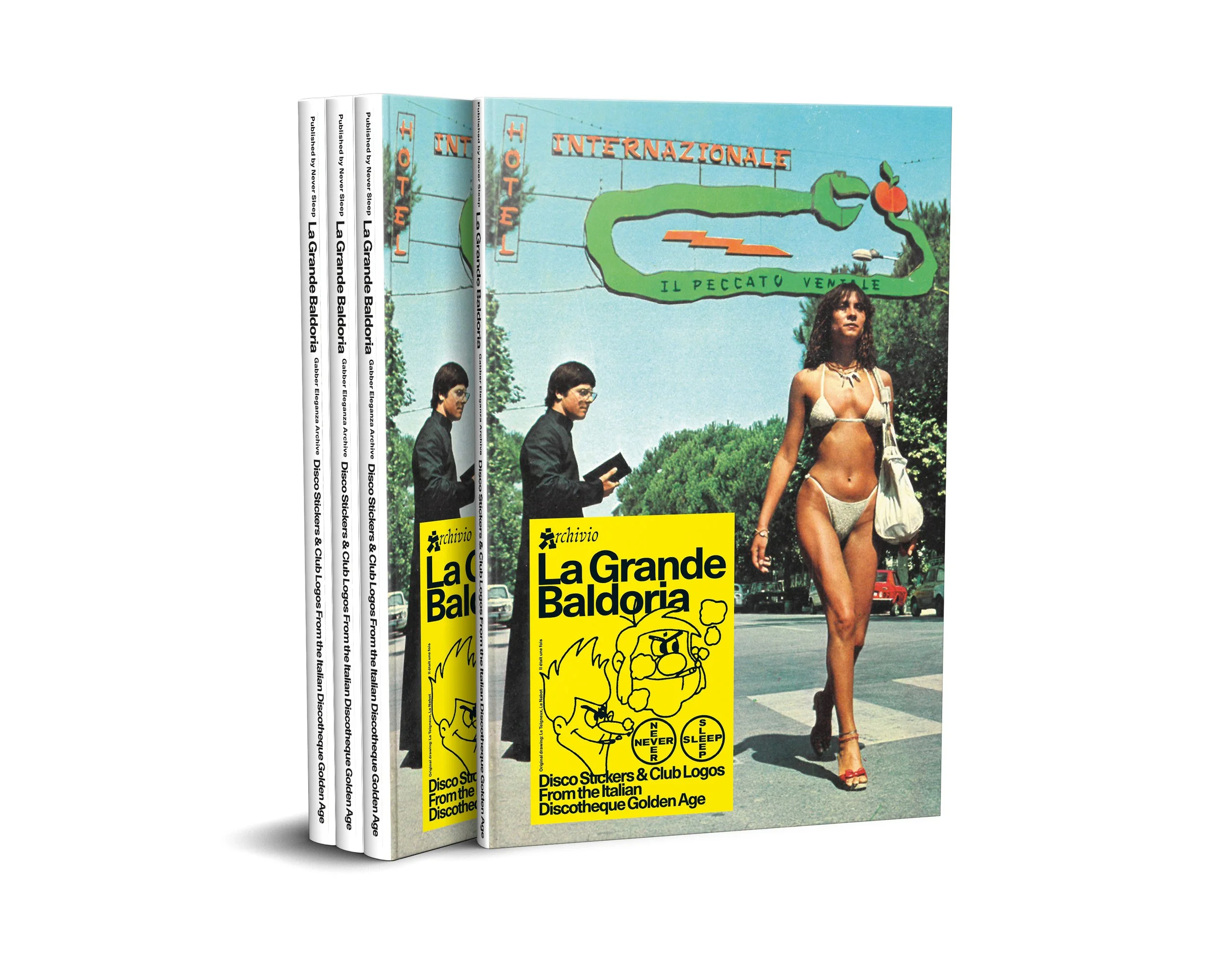
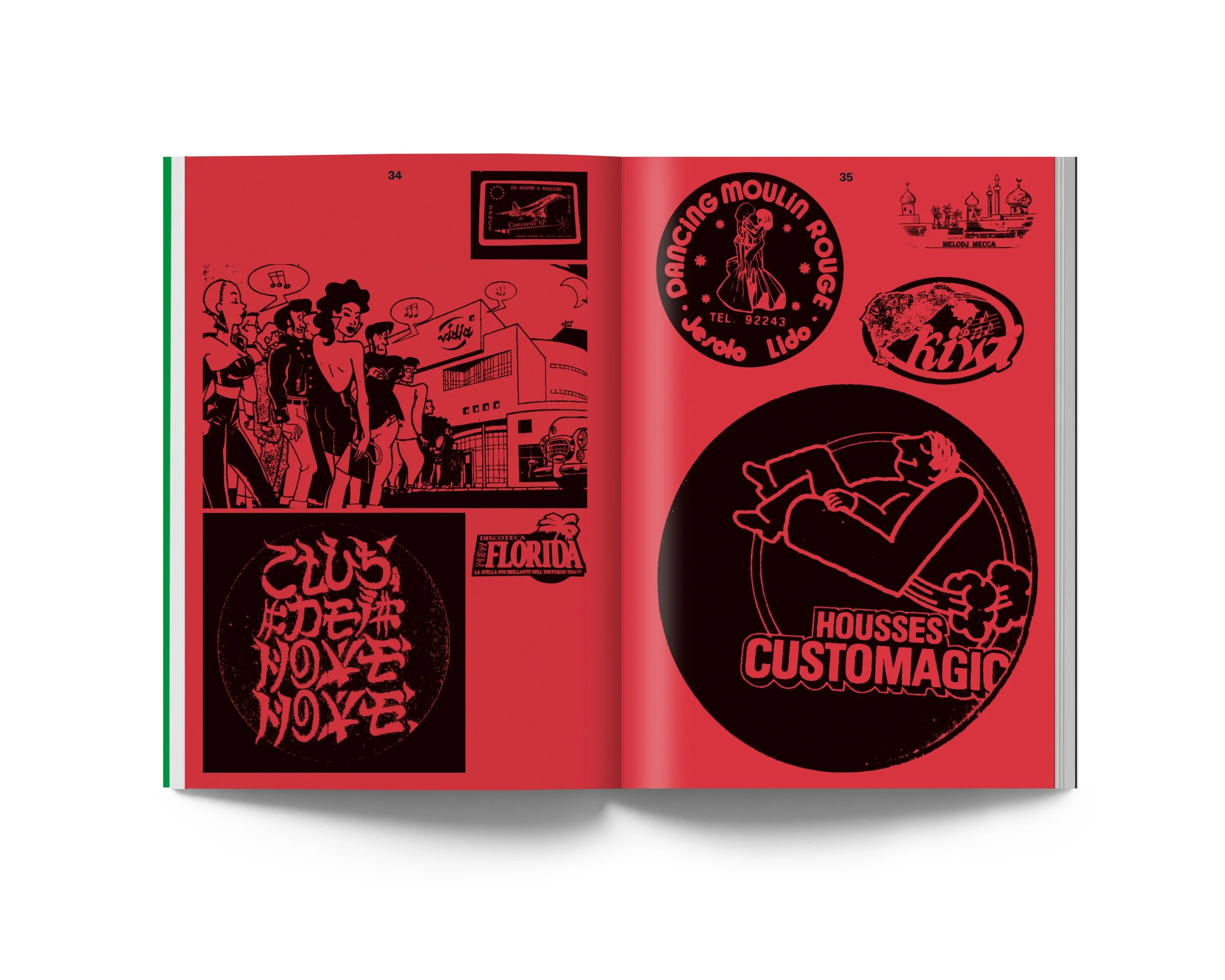
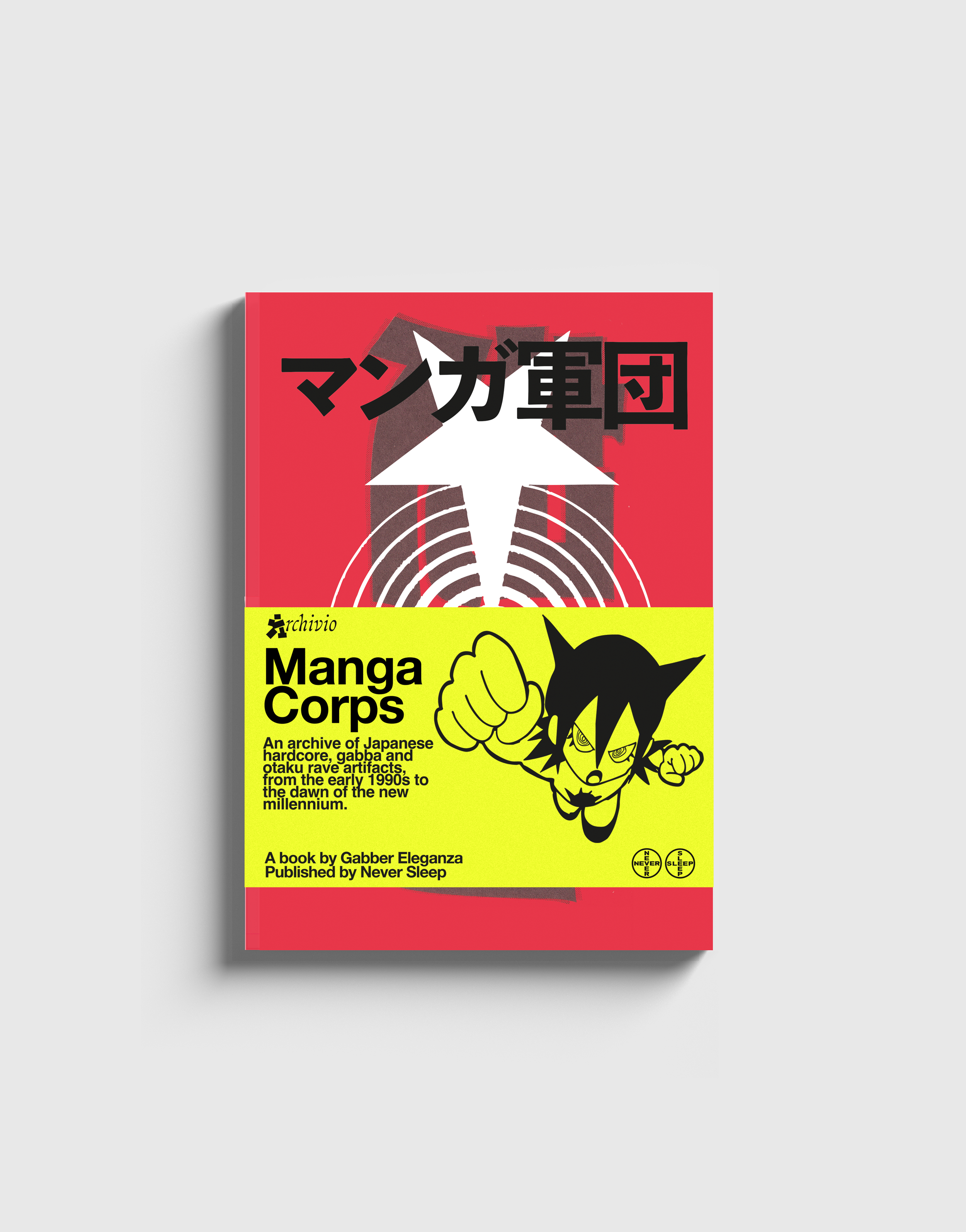
The hardcore label recently released the archive book Manga Corps in June of this year. An archive of Japanese rave and hardcore artifacts spanning from the 90s to the early 2000s. These photographs and fliers are a rare insight into a largely undocumented scene that hasn’t extended beyond Japan in most popular archives. Archival work such as Manga Corps blends into the wide portfolio of work released by Never Sleep, which redefines our understanding of hardcore. Manga corps is a clear-cut example of how Never Sleep is an archival preservation project as much as a music publisher.
Even then, their music is released in a refreshing format, for example, DJ RAP – Fantasy FM 1990 [NSRTAPE011], is a limited edition installment of their tape series that raises money for charity. The tape, in their words, “holistifies futurism with a cacophony of Ragga, Hardcore and Transatlantic soundscapes. A bass propagation filled with landmark pointillism, matriarchal musicianship, and acidic House.” But their Instagram post, promoting the tape, goes further, showcasing 90s archive footage of Fantasy radio, a 90s pirate radio station in East London that shut down in 1991. Along with grainy archival footage of DJ Rap playing in a club. It’s a unique and unusual method of generating interest, and a rare extra step that few labels go to when promoting a release, as they have neither the resources nor the archival expertise that Never Sleep has.
In a conversation with A&R Joe Coghill and Alberto Guerrini, we talk about the label celebrating 5 years of being an official label and their approach to sharing the wide spectrum of Hardcore music in the post-pandemic world of club culture
There’s an unapologetic attitude inhabited by Joe and Alberto that comes across palpably on the call. When asked about the music they sign, particularly the band KUTE that recently joined the label, Joe tells Dance Policy their story, “I love the fact that Amy's a five-foot six tall Glaswegian baker who sings about kicking the shit out of people who attack her on her walk home. I was like, this is it.” He continues, “they're working class, which is a very big part of what we do. We try to champion people to try and get them out of their situation, rather than helping people who don't need that help. That's how we signed the band." However, not all hardcore bands want to work with a label, as they found out when Joe attempted to open a conversation with two bands he had an interest in, and as hardcore bands usually do, they both “just told me to go fuck myself. They [the bands] said we are not ambitious. We don't wanna work with you. We don't care if you can get us famous. And I was like… cool.” With hardcore music, the hardcore attitude comes along with it. Hardcore bands, such as the ones Joe approached in Glasgow, tend to be suspicious of culture vultures, looking to extract only money without any return to the culture itself. But this is part and parcel of being a forward looking label, venturing into music that isn’t well known.

Originality and speed are intrinsic values important to both of them and the label. Joe talks about the remix collaboration between Never Sleep and Rainy Miller, a now well-known Manchester musician, as an example of how they’ve stayed ahead. “By the time anyone even caught up to us and thought that was cool. I was already looking at Glaswegian hardcore bands.” If Never Sleep hears people say ‘Oh, Boiler Room likes this’, that's the label's sign to move away from it.
Although Rainy Miller has been a known music figure in Manchester and Preston before Never Sleep’s remix in 2022, the point still stands. The largest publications, labels, culture brands at the top have bottom lines to protect and can’t risk picking up on lesser-known artists, even though the talent is evident. This, however, isn’t how Joe and Alberto operate; DIY is at the centre of their approach. Where most labels are looking for a safe bet to generate money, Never Sleep are the opposite in their artistic vision.
”[Never Sleep] wants to make something exciting, something challenging for you. We always think, "Can I make a book? [for example]... we refer to Never Sleep as a do-it-yourself label, that's for sure.”
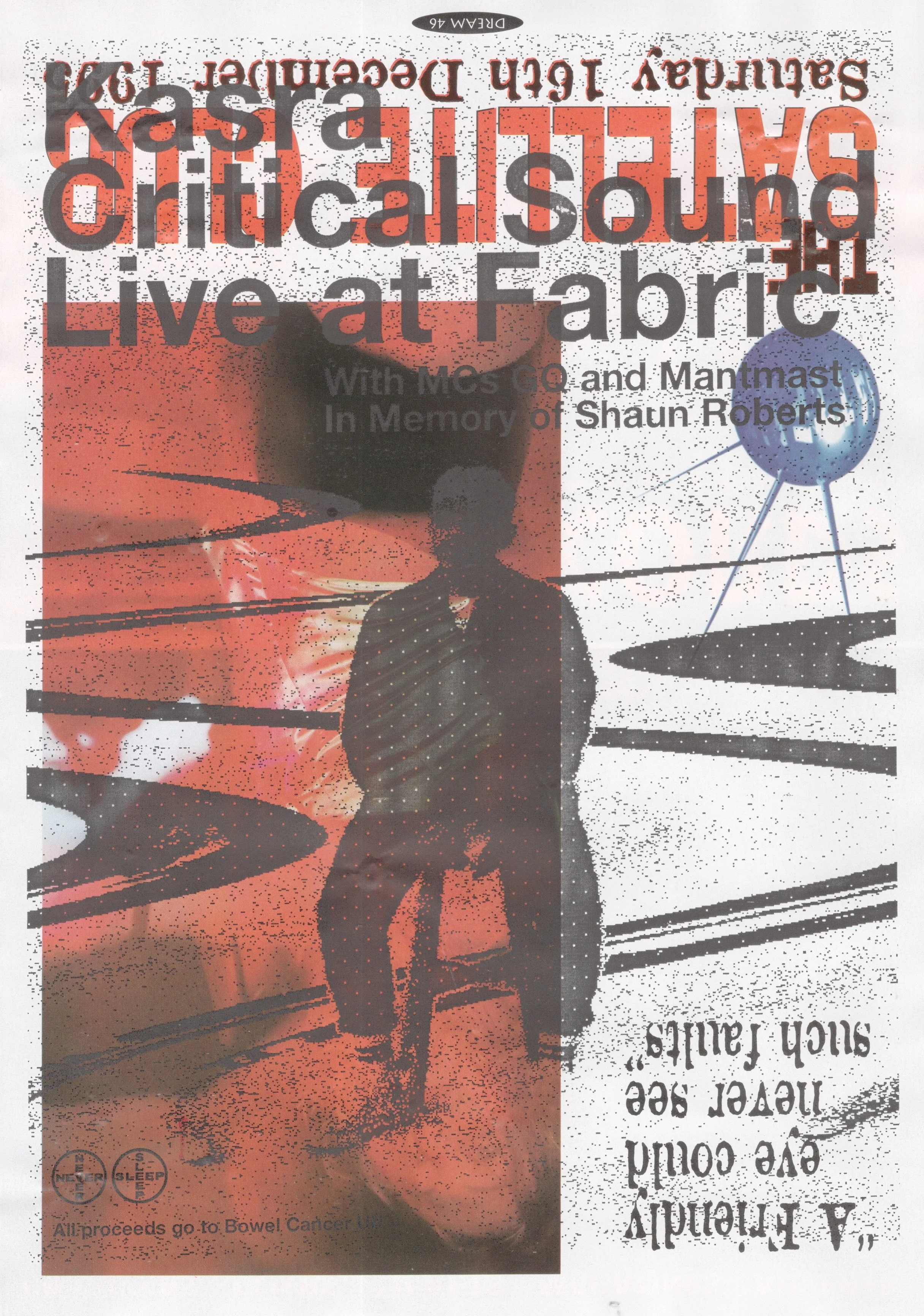
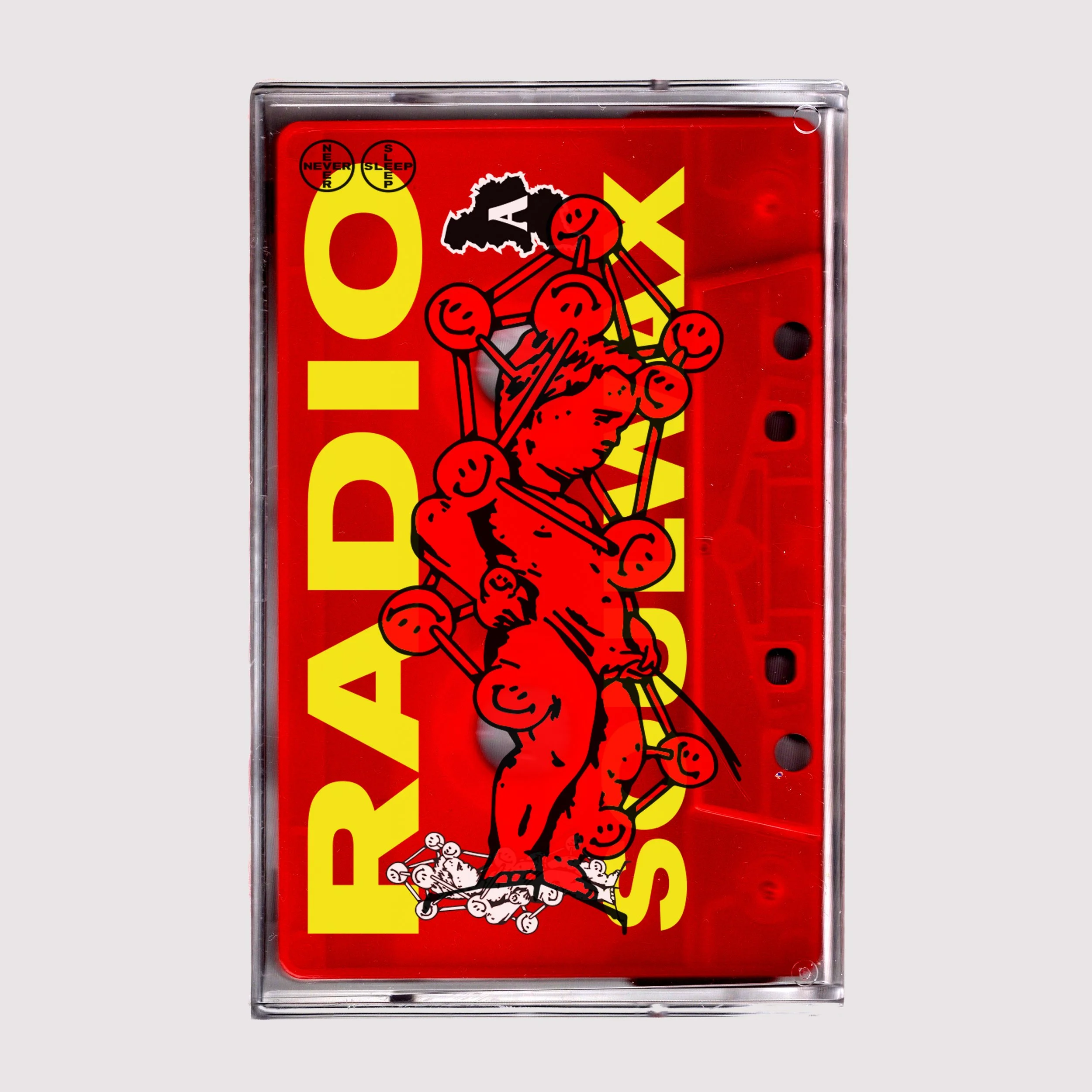
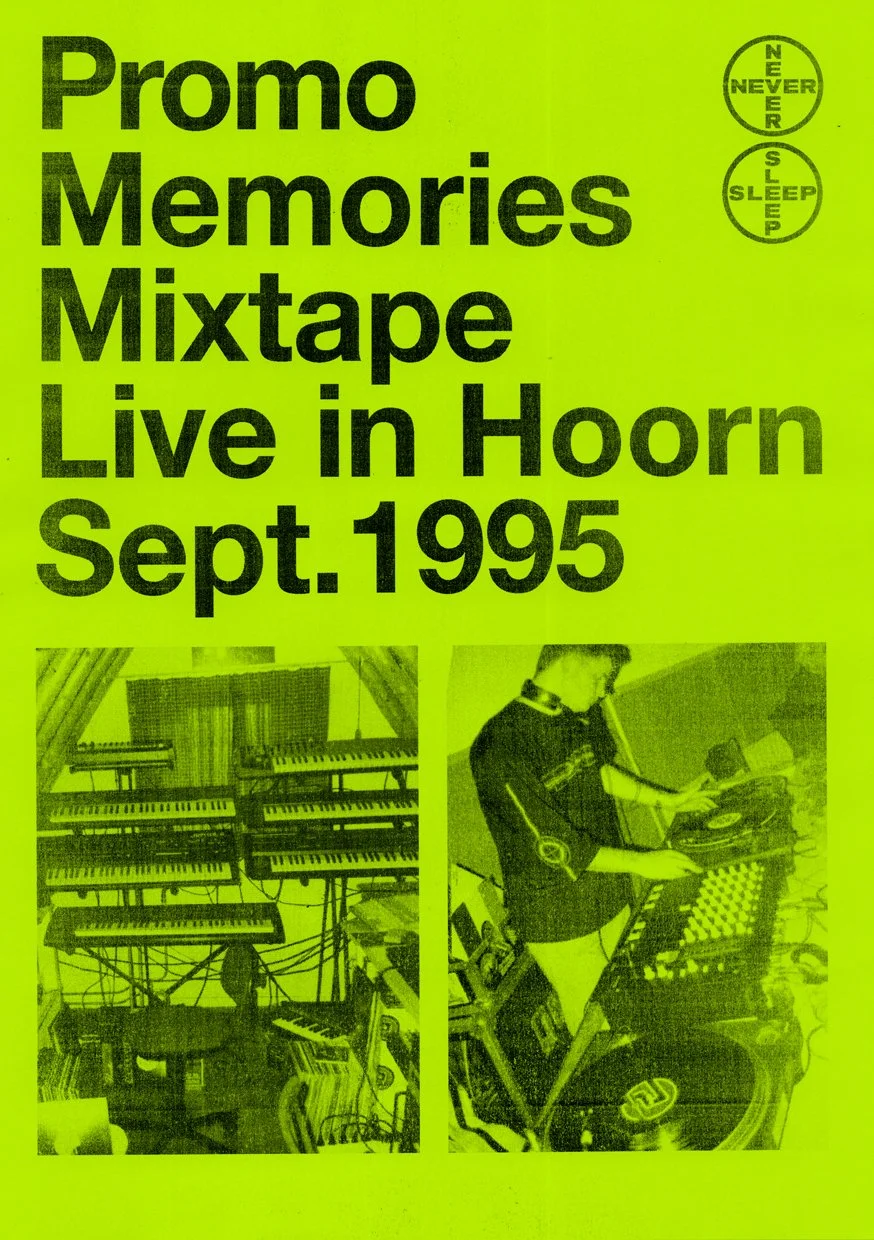
Alberto goes further into this DIY attitude, talking about the clothing he began collecting and then later made for Never Sleep, “ I just bought this old scanner t-shirt that my daughter and my wife asked me, What the fuck are you wearing? [The T-shirt] looks 10 years old, but it’s from a jungle producer. Not obscure, but they’re legendary and I just wanted to wear it because it brings me joy, to get one piece of this producer on a t-shirt”. Buying a t-shirt that has an image or symbol of someone or something you look up to isn’t revolutionary, but how they incorporate this into the fashion pieces they release is. “ The clothes obviously are easier to sell than a record,” he says, but “I want to make something cooler than that, ambitious and pretentious in a good way, like the silver whistle”, referencing here the limited edition rave whistle Never Sleep released, made of solid .925 silver that would set you back €1350. "The whistle isn’t just an emblem of the times as it cuts through the air and digital noise, it’s also a bespoke piece that heralds back to traditions that are as much tribal as they are cerebral," Alberto tells DJ Mag, "The whistle represents anarchy, revolution and the sound of your mother telling you to get home after playing outside after 9 pm." Joe and Alberto would be the first to admit it’s edging on pretentious to sell a solid silver whistle, but also see the uniqueness in the strategy for the label. Both are fierce collectors and archivists, which they’ve leveraged to Never Sleep’s benefit and identified a unique market of people who share the same eagerness to collect.

What does the future hold for Never Sleep? Joe wants to crack America, after referring to London as ”not exactly the hub of biodiversity music culture at the moment”, and go into regions further afield, for new blood, who aren’t from the typical areas you associate with refreshing sounds. Never Sleep is trying to decentralise and decouple culture from cities or places you’d usually associate with a certain genre. Alberto wants the kind of young people who are “ radical and uncompromised in terms of sound.” But most of all, both are looking to build a legacy within youth culture, as Joe puts eloquently, “someone’s got to look out for these people, you know? We've gotta make sure young people don't feel as disenfranchised as they do now.”
In the last five years, the label has achieved more than most labels have in ten—they’re an exciting and engaging new form of club culture ambassadors. Everything they’re doing is a new blueprint, and by the time anyone else catches up, Never Sleep will have likely already moved on to something better. But at the heart of it, it’s about championing those who truly deserve it. “We’re willing to give young people a chance… It doesn't matter how radical or crazy that music is.”
Written by Zak Hardy
You can check out Never Sleep’s website here