
Budots: The Soundtrack to Y2K nostalgia
DJ Love
On the bustling streets of Davao City, Philippines, car horns blare in harmony and market sellers set up their stalls for the day unaware that the sounds of their daily lives have formed the soundtracks for TikTok influencers posting GRWMs in their softly furnished bedrooms.
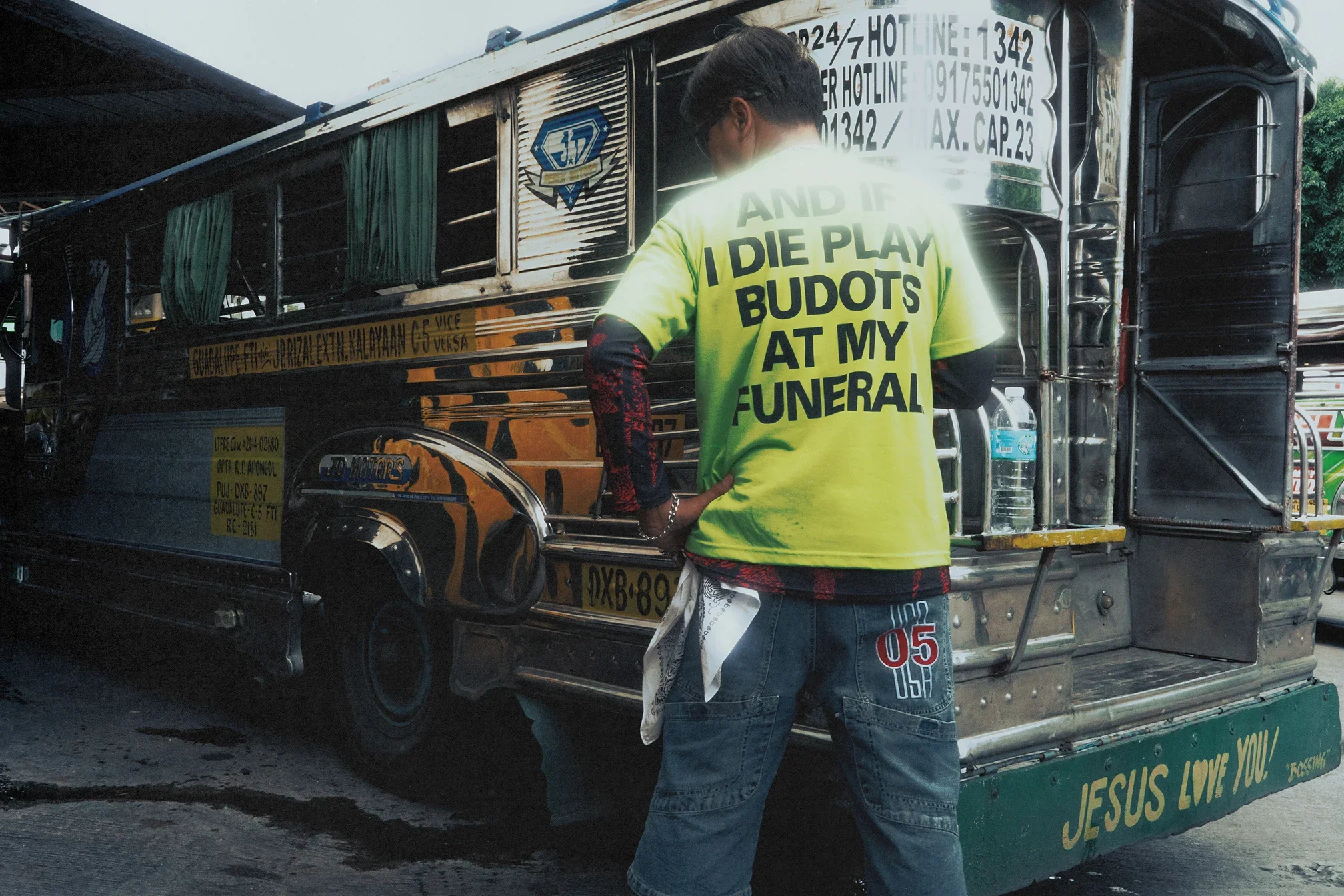
If you’ve been anywhere near Instagram or TikTok in 2025, you would have seen Budots appear on your feed. A viral trend made famous by a group of nurses dancing on Tiktok, its repetitive beats and off-kilter dance moves have become synonymous with Philippine culture and helped cement Budots on the global music scene.
Coined from the Bisaya word for “slacker”, the Budots formula is a combination of techno, house, and Sama Bajau tangonggo, the latter being a type of outdoor music from the Sama-Baju communities who make up the population of the Philippine islands. Coupled with slow worm-like dance moves and graphics evocative of the old days of Microsoft WordArt, Budots has proven itself as a modern genre that conjures nostalgic imagery of myspace and the early, somewhat romanticised, age of the internet. Think that overly animated powerpoint presentation in IT class pulsing with the rainbow gradients and littered with the Comic Sans font or the time you discovered clipart on Windows XP, Budots has repurposed these early 2000s motifs absorbing them into the internet aesthetic, vaporwave.
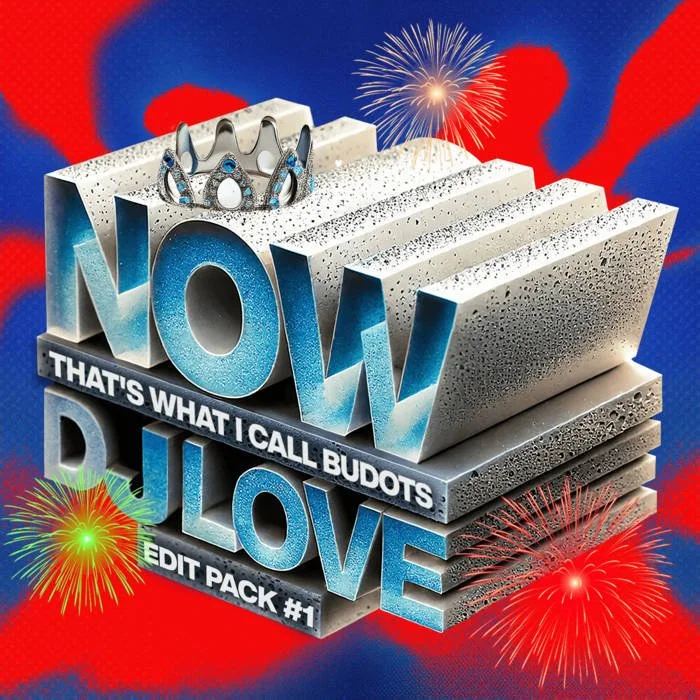
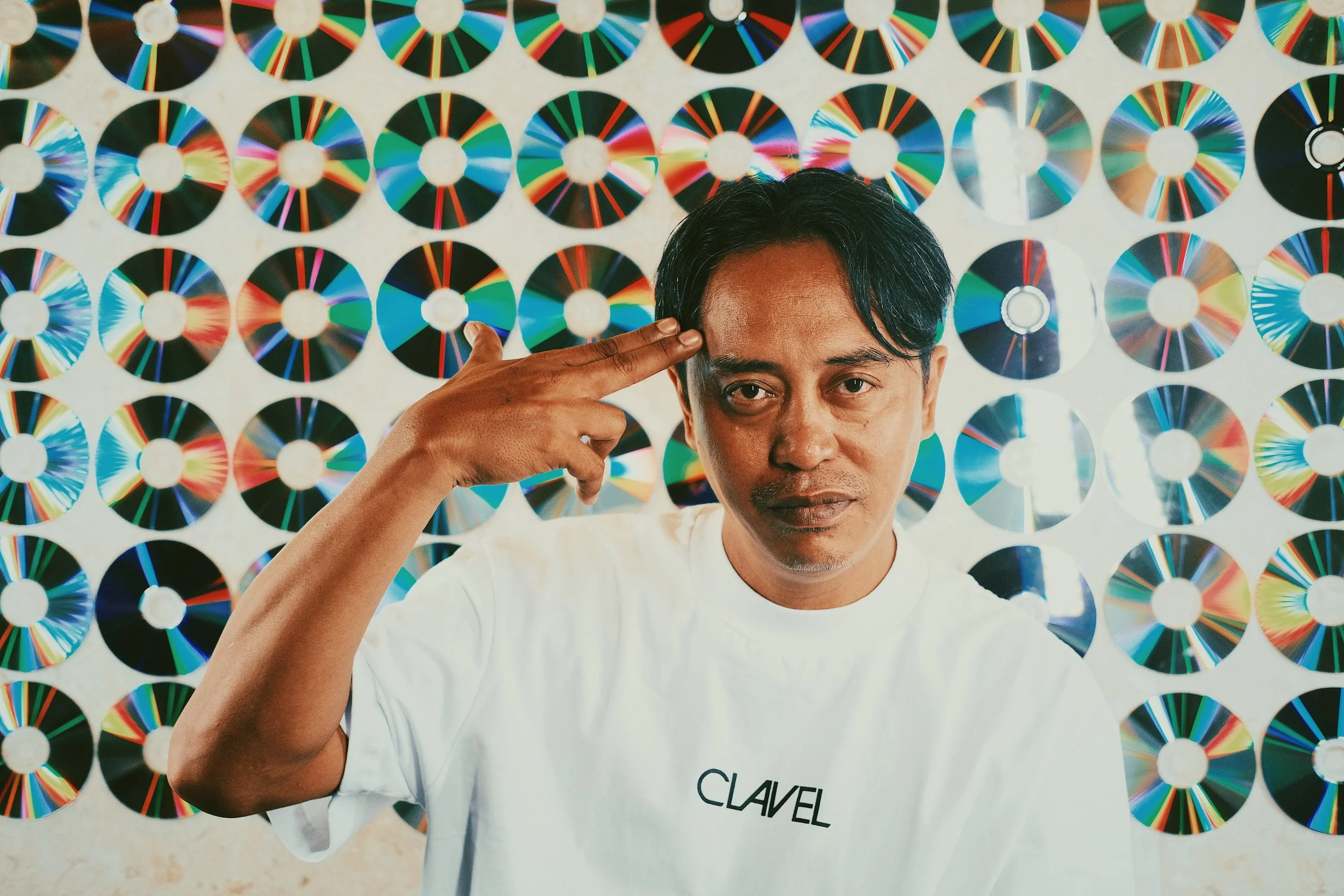
Many have been a part of the rise of this subculture in Western media with one key figure being DJ Love. Originally an internet cafe owner, DJ Love, also known as Sherwin Tuna, began this journey 15 years ago. Mixing free samples, jarring hooks and car horns, the DJ and producer personified the Philippine city through the medium of 140 bpm. Key to the music’s charm is its off-the-wall tone and tackiness to its sound, replayable, in part because of its repetitiveness, and also its nostalgia for the old days of the internet back when it served more as an avenue for creative expression than the glossy, calculated consumer-led stratosphere that it feels today. Back then the online world was used to explore a creative interest or deep dive on a niche, without the need to hyper-fixate on the potential monetary value that passion could bring. Budots shares the same kind of DIY energy, and therein lies its magic.
“At the beginning, Budots was just something we did for fun.” DJ Love tells Dance Policy “Trip-trip lang. We were dancing, experimenting, just trying to make something out of nothing because there wasn’t much to do in life back then. The dance and the music came from everyday movement, from watching people dance naturally, without training or ego.”
DJ Love
Music has a collective quality to it, even more so when you make it accessible. Despite being shared over the stratosphere, Budots events are traditionally grassroots and held outdoors, either in carparks or on designated areas in the street. Performing in the open air of the city that houses them, performers and participants enjoy a shared experience, the DJ booth acts less of a barrier. Rather, it becomes a conduit for those who seek refuge from their day-to-day. A fact felt more so by the people of Davao City itself.
“It comes from humble living. That’s why I never brag or act big. The music reflects where it came from. I was also inspired by the Badjao community in Davao. The Badjao dance, their movements, and their presence influenced the style a lot. Many of the dances we saw were already there for a long time — people just didn’t call it Budots yet. We adapted these movements and made them our own.”
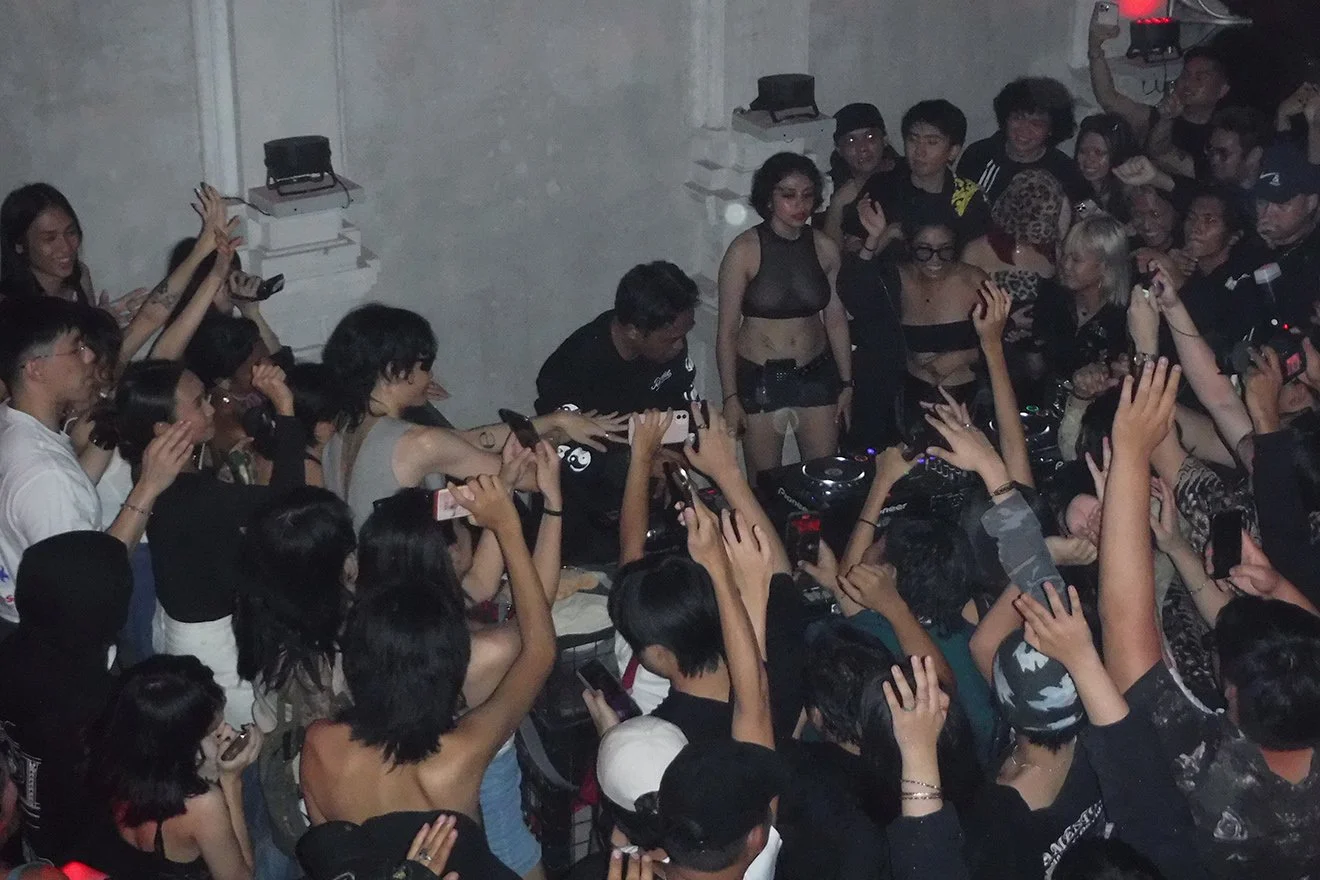
Photo: Elly Cua
One of the Philippines’ most urbanised cities, Davao City has more recently become the site of what are known as Davao Death Squads, a vigilante group known for carrying out extrajudicial killings in the name of keeping the peace and stopping the spread of drugs in the city, where addiction is rife. However according to the Coalition Against Summary Executions (CASE) many of these victims have been children and though not operating as an official arm of the government, their open support from former Philippine President and Mayor of Davao Rodrigo Duertue leaves little to infer.
It’s in this way that Budots and figures such as DJ Love, provide a haven for the youth living in the slums. The subculture has served as an outlet for young people to voice their experiences and escape the seriousness of their troubles. This is witnessed in the slow gyration that typifies Budots dance moves, most notably performed by groups such as the Camusgirls. Named after the street that DJ Love calls home to this day, the Camusgirls utilise dance moves such as the finger guns and the glue-sniffing rugby boys, named rugby boys because of the Rugby-brand adhesive that people sniffed adhesive from. These moves are meant to be provocative and they serve as unavoidable reminders of the lived experiences of the Davao City youth. But in utilising them in this manner, the memories are repurposed, they become an avenue of artistic expression.
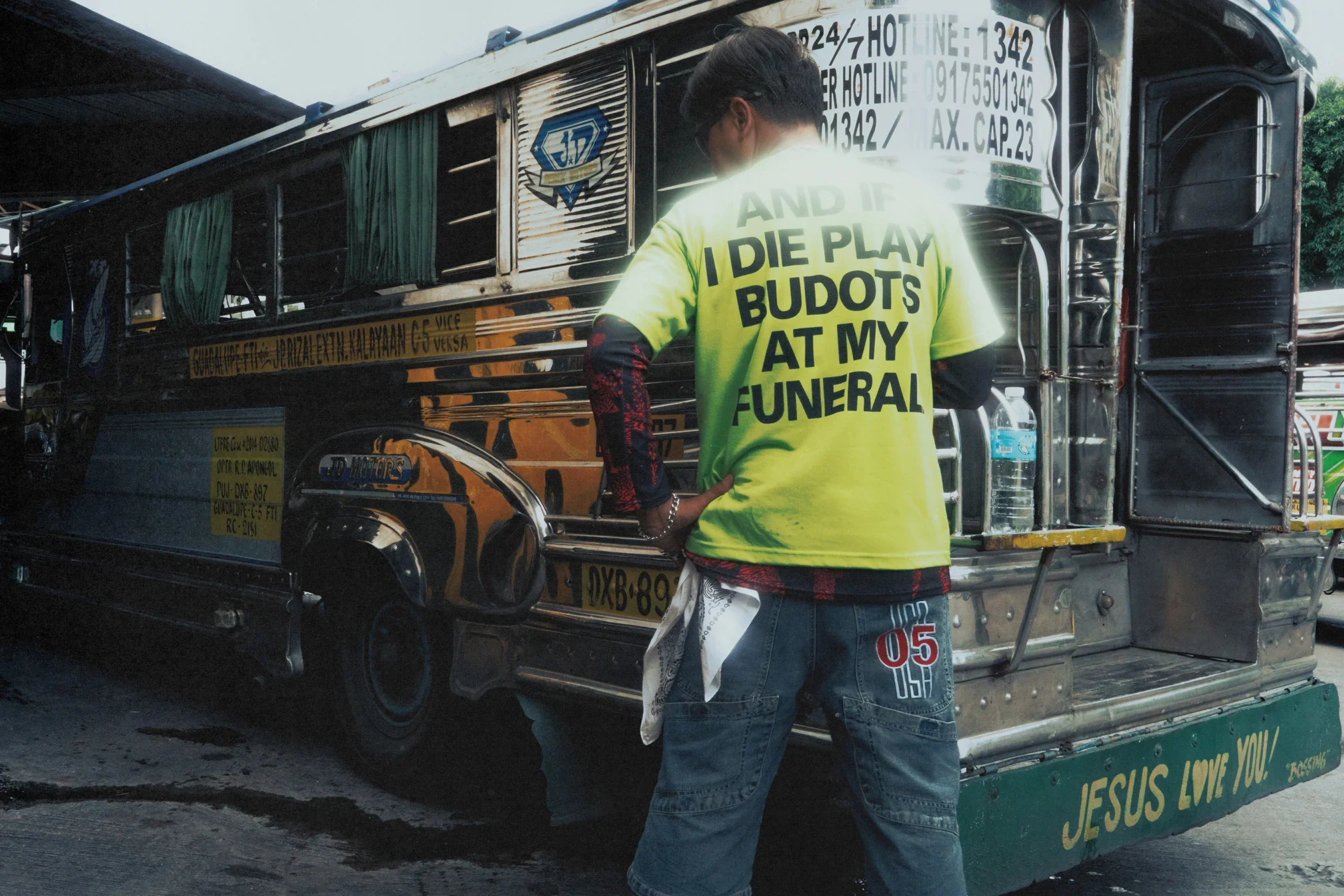
“Even when people laughed, even when it was ignored or treated as a joke, we kept going. Budots also stayed true to where it came from. We didn’t try to make it fancy or elite. It stayed connected to poor communities, to simple living, to everyday people. Many lives changed because of Budots. Some people who used to live hard lives now have families, stability, and purpose. That’s something real.”
Now, Budots tracks such as DJ Johnrey’s ‘Emergency’ and DJ Love’s ‘Tiw Tiw - Budots’ occupy more than kernels on the internet. They’ve become key to music subculture and now appear online in GRWM TikTok’s. Recorded a million miles away from the Philippines, these reels depict influencers walking robotically in time with the music whilst showcasing their outfits for the week. The trend has even caught the attention of celebrities such as Katseye and Olivia Rodrigo, the latter posting her own GRWM Tiktok to showcase the outfits on her GUTS world tour.
The risk with riding on the heels of a Tiktok trend however is that longevity isn’t a given. An example of this is the dance trend Phonk, a sub-genre of hip hop that dominated our ear canals in 2022. In a similar pattern of influencers posting outfits and dance trends as well as the fancam edit world, its sonic dominance lasted only a few years. This status as a social media trend is also what has invited criticism from naysayers of Budots in the wider western music scene who believe the music too tacky to be taken seriously.
However, Budots’ impact on the ground in the Western music scene has seen DJ Love performing across Europe. From Berlin to Brighton, there is an appetite for live Budots shows that does not intend to be sated, with Love even performing a stand out Boiler Room set in 2023. Organised in collaboration with Manila Community Radio the set enjoyed over 400,000 views online. Unfortunately global success doesn’t Amidst the genre’s global impact in April last year, it was reported that DJ Love was admitted to hospital with heart failure. A fundraiser was created to cover the cost of his medical bills and ensure he got the treatment required. The resultant outpouring of support from around the world is testament to the community ethos that Budots was formed in and continues to foster today. The donors may never meet DJ Love, but his effect on the genre means they are forever connected through the off-kilter tracks that DJ Love dedicated his life to creating.
“People connect to Budots because it’s honest. You don’t need technique, money, or fancy equipment to understand it. It comes from real life — from struggle, joy, and survival. People everywhere understand that feeling. Even if they don’t know Davao or the Philippines, they can feel the energy and freedom in the movement. It’s not about perfection. It’s about expression.”
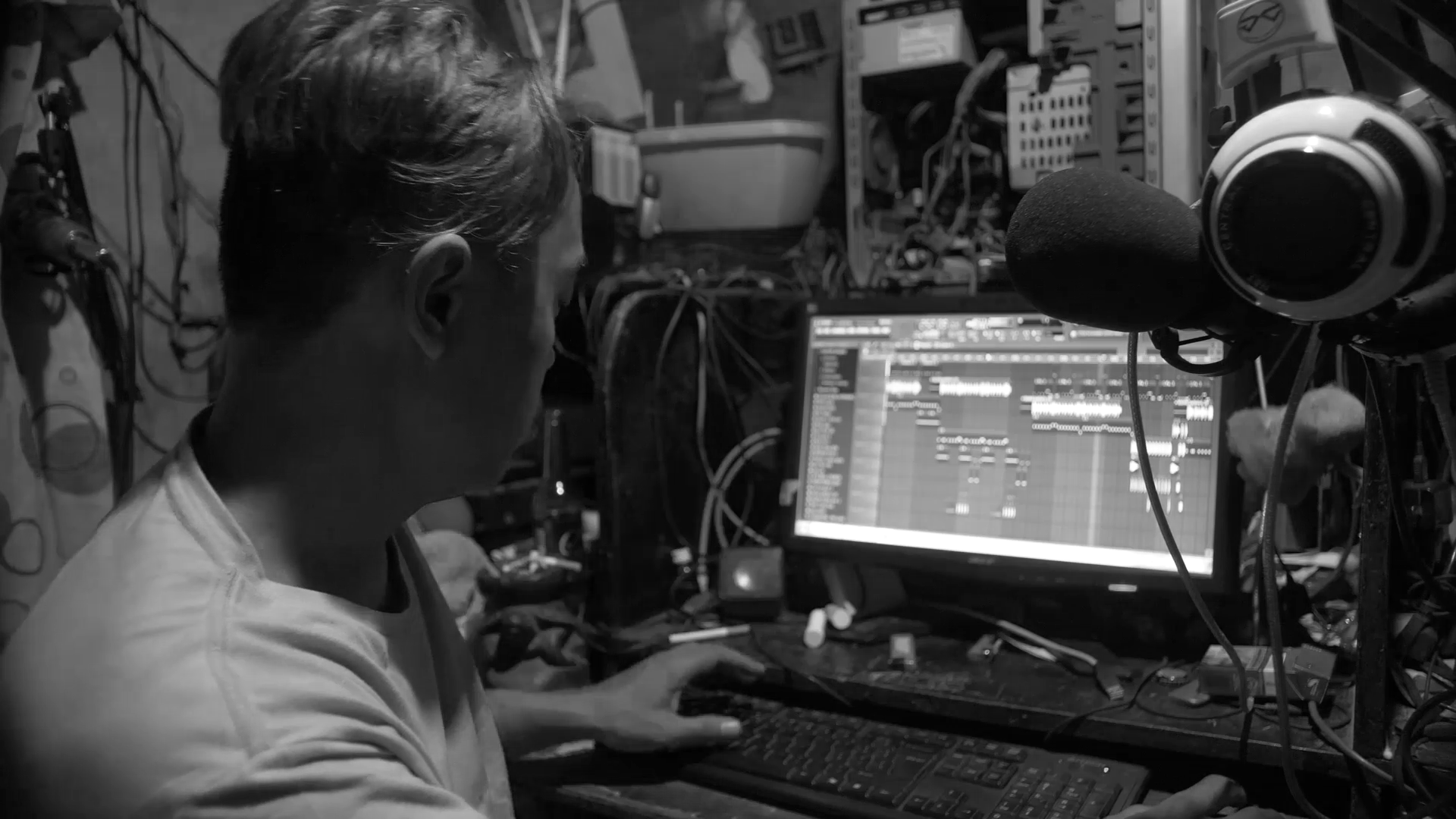
Dj Love at work. (Photo by Jay Rosas)
Whether it’s the resourcefulness of its musicians utilising the sounds that surround them or the Davao youth finding refuge from the dangers that affect their lives, or even the influencer endlessly re-recording a 5 second GRWM, the music genre has managed to carve out a space for everyone who wants to connect with this unique aspect of Filipino culture. The rise of Budots means that there will always be a space for new subcultures from countries all over the world. There will always be a will to commune through music, learning more about each other the more we interact sonically.
“Budots [is] already entering different kinds of music — techno, hard sounds, love songs, international tracks. The plan now is to continue experimenting while keeping the soul of Budots alive. It can travel, evolve, and reach new places, but it should never forget where it came from. As long as it stays connected to the people, Budots will continue.”
To catch DJ Love spreading the 180 bpms, the pioneer will be live in Amsterdam this Valentine’s Day. In collaboration with Eastern Margins, the event VOTE 4 LOVE sees Love performing alongside the likes of KOLLIN, LAERASATI and many others.
Written by El Forrest
Edited by Sophie Yau Billington