
BADBOY Studios: Documenting the Wythenshawe Grime Scene
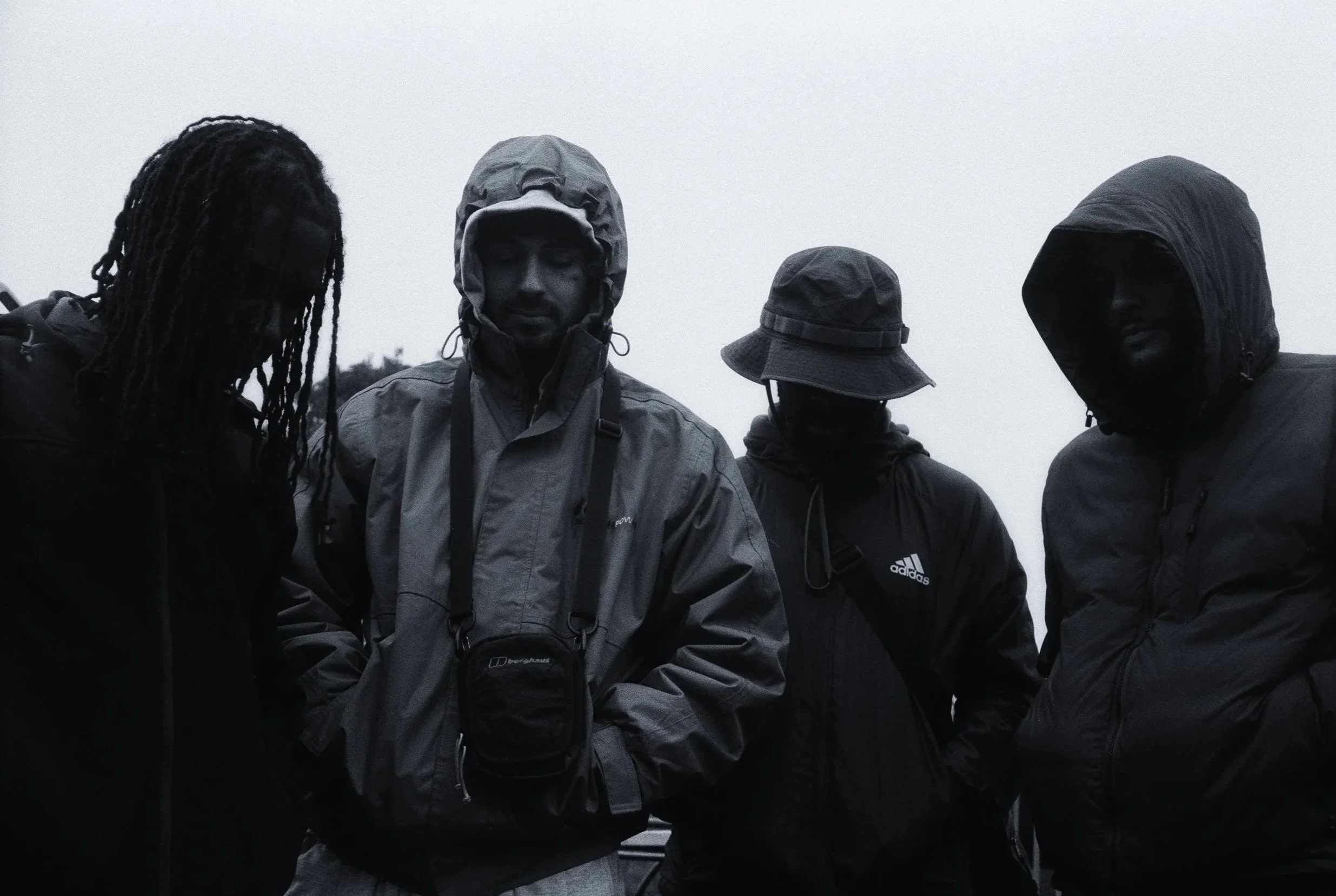
BADBOY Studios issue one front cover
The grime scene is experiencing an archival renaissance on social media, with accounts looking back on the vital parts of the scene’s history. This makes sense, – the garage-inspired genre was one of the first scenes to grow up on the internet. This coalescence created a treasure trove of archival footage, with MC’s battling it out on Lord of the Mics and RiskyRoadz. Years-old discussions on grime forums can still be found talking about the next biggest names. The invention of the internet, camcorders, and cheaper electronics made grime’s history more accessible than any other music scene before it.
It’s been 22 years since grime began and Wiley dropped ‘Eskimo’; however, the present scene is, ironically, harder to document. It takes an enormous amount of resource and passion, to continue the documentation process. To offer an age old explanation, times have changed. Magazines are more expensive to produce, social media algorithms dictate what we’re shown, and a sea of lazily produced content makes it difficult to dig through the noise. Peaking above the waves, however, BADBOY Studios' physical magazine ‘The Road to Ten Thousand Hours’ caught my attention with its documentation of Wythenshawe’s local scene.
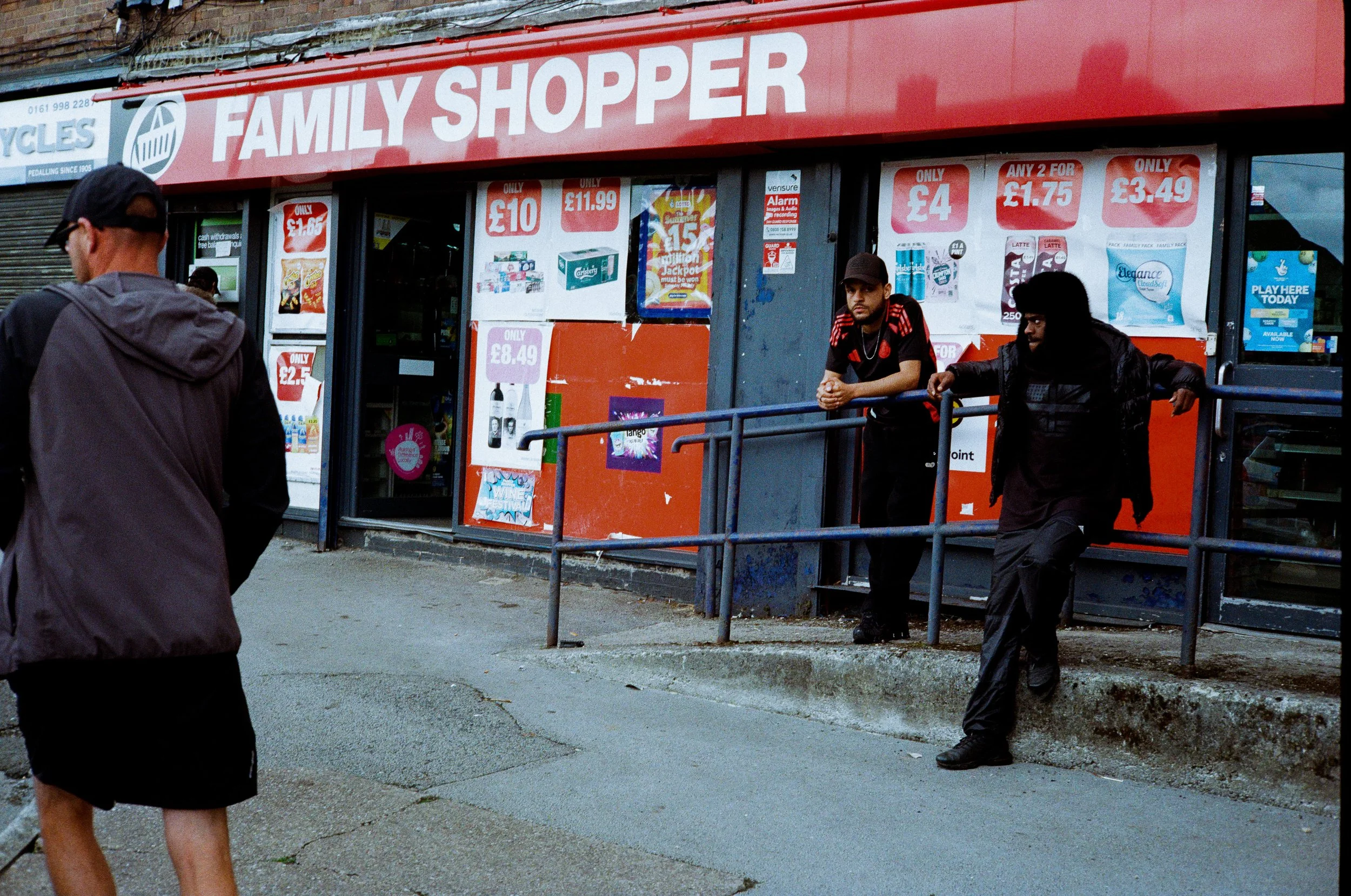
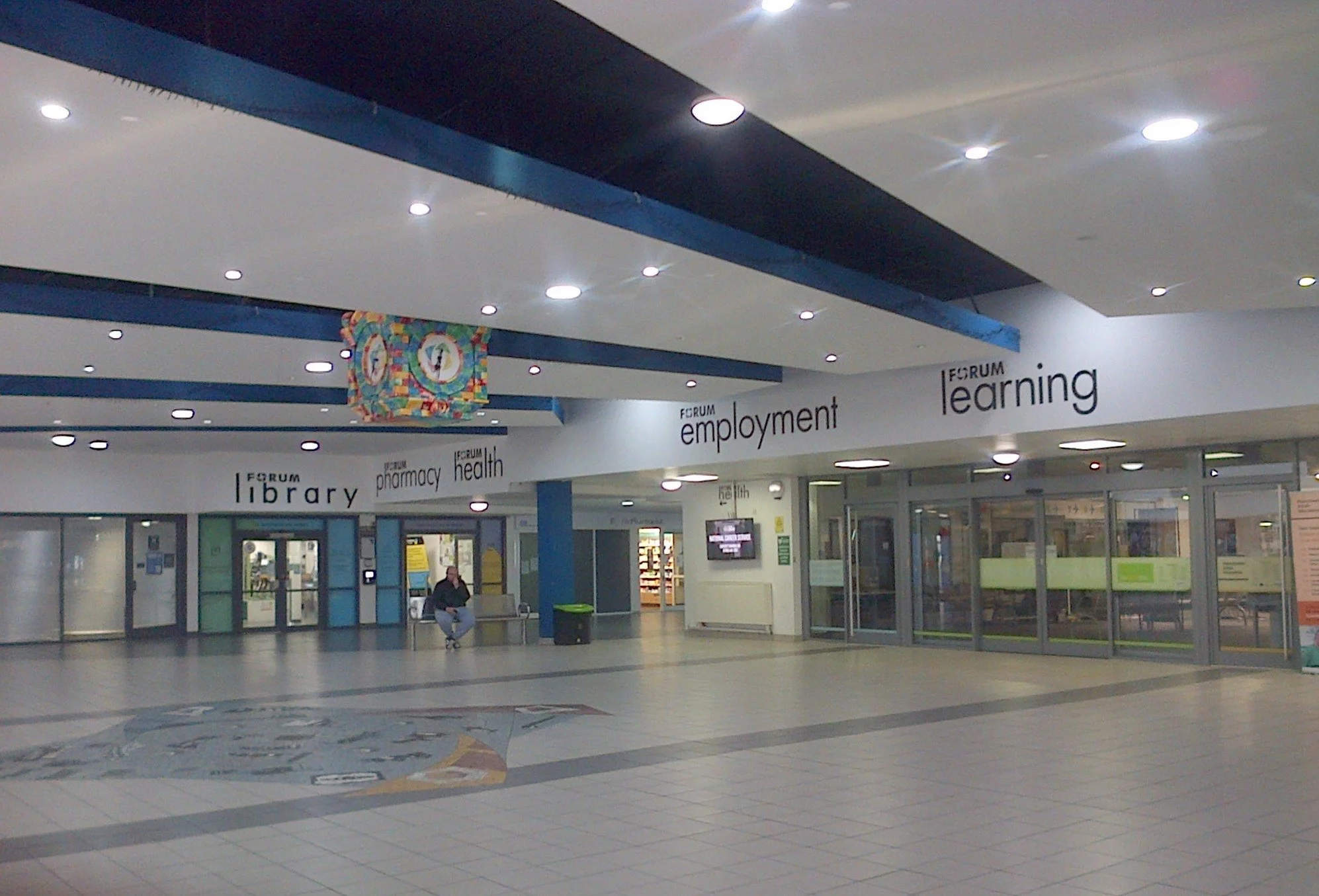
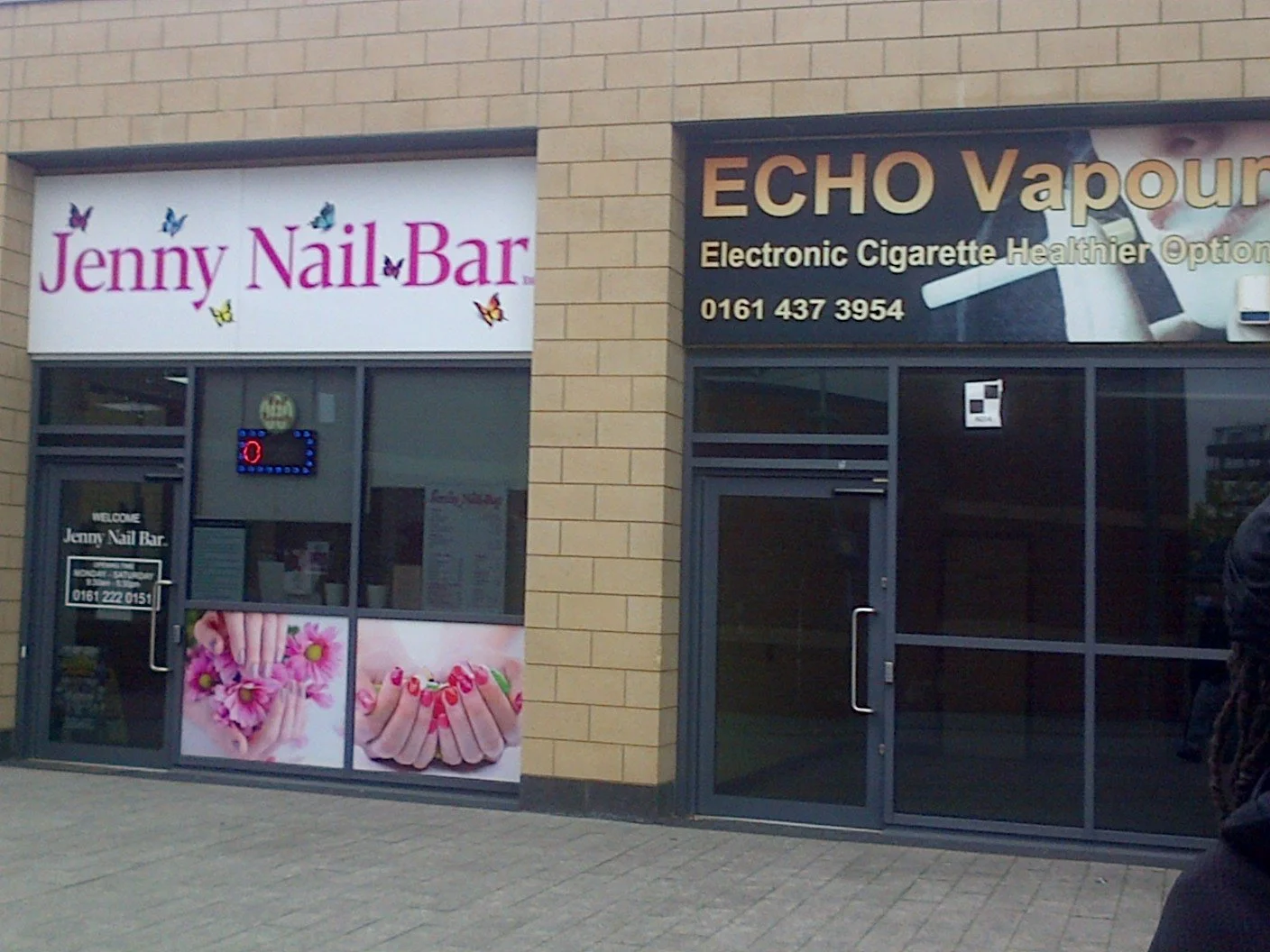
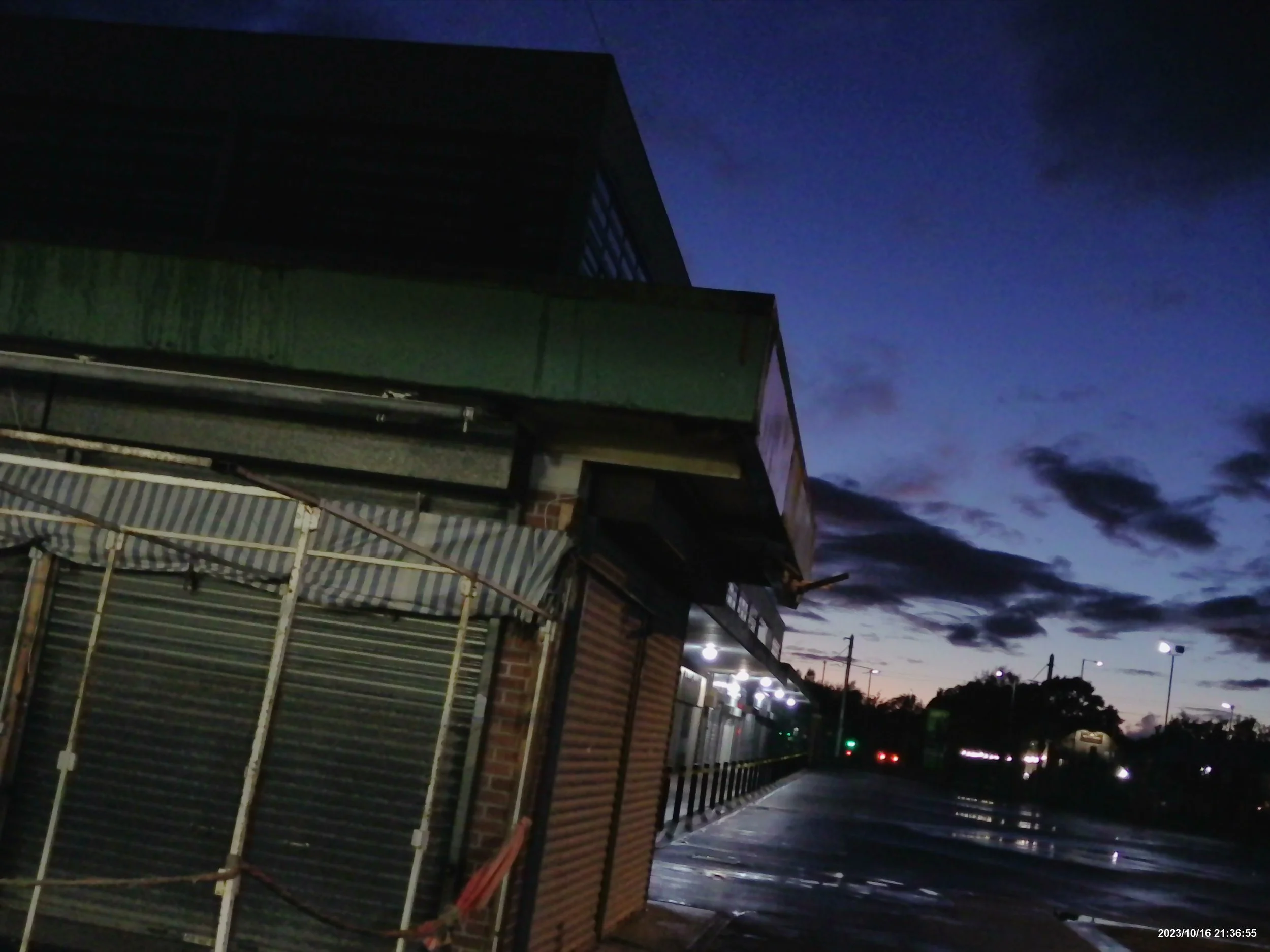
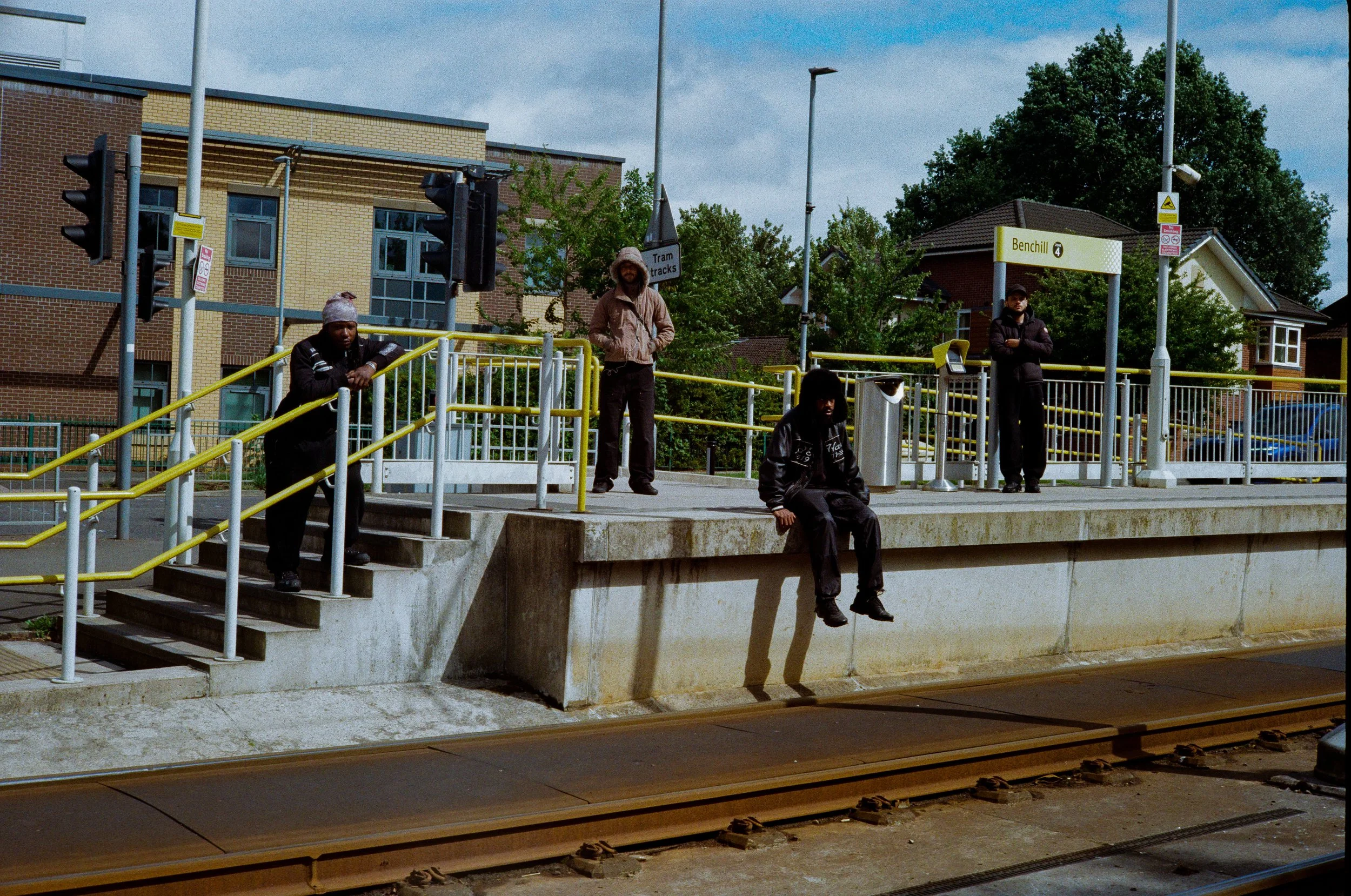
Wythenshawe was conceptualised as a ‘garden city’ in the 1920s, created with the intention to be self-sufficient and house thousands in newly built homes. Similarly to other council estates, the area stagnated under the economic hardship of the 1960s, and continued to play catch up with the rest of Manchester until the latter half of the 20th century. The New York Times described Wythenshawe in an article about poverty in Britain as an ‘extreme pocket of social deprivation and alienation’ in 2007. BADBOY Studios has unabashedly rejected this common label whilst embracing Wythenshaw’s grittier side as lived history. Their publication delves deep into the town's past featuring photography of shopping centres, council houses, and the town centre and most importantly, doesn’t shy away from a realistic depiction of everyday life. Upon opening the magazine, readers are greeted by a double spread of a road sign welcoming travellers to the district; and therein lies the intention of issue 001, it paves the way to an otherwise unexpected burgeoning music scene.
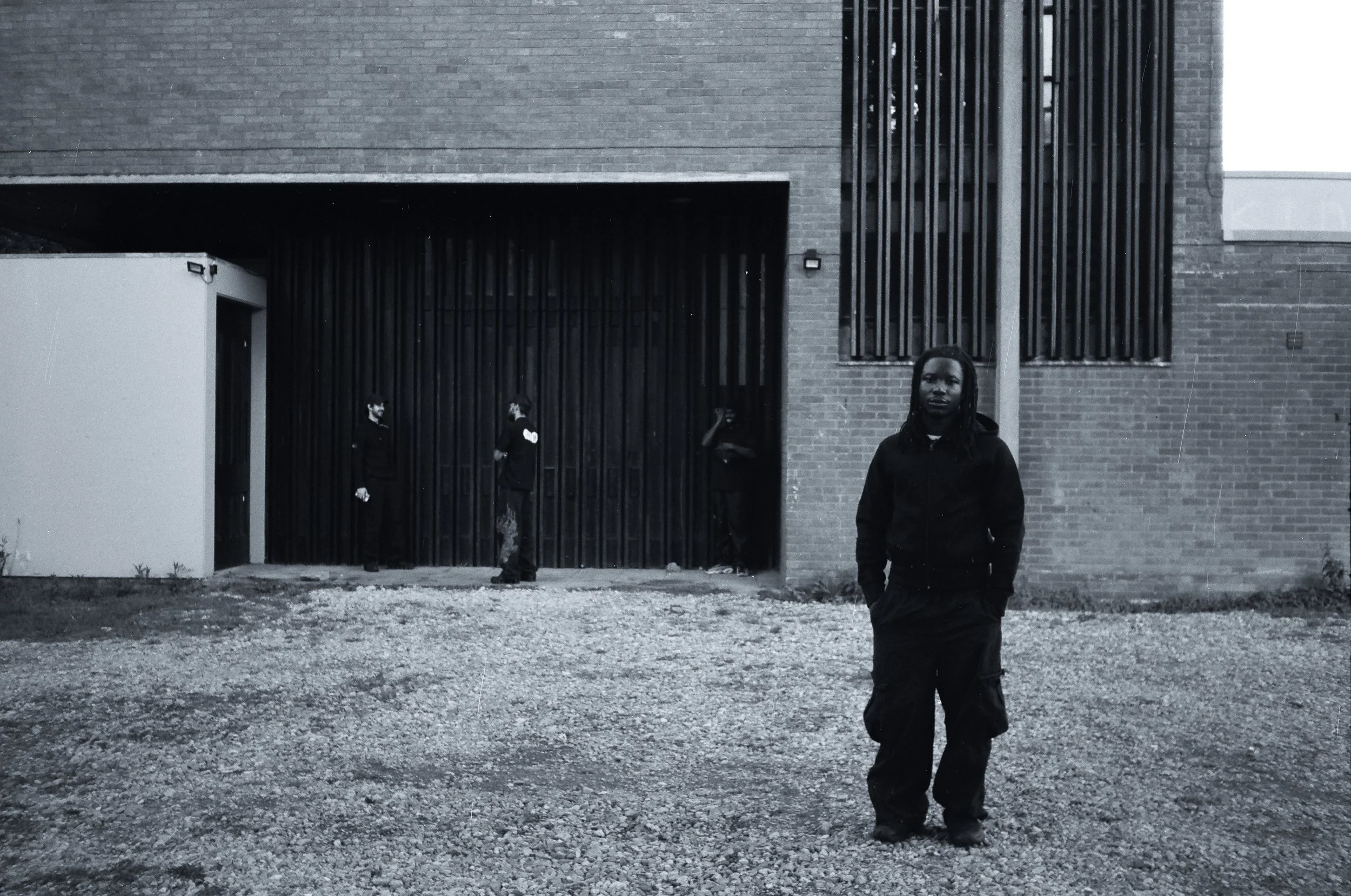
The first issue follows the lives of rappers and producers, Dunamis, Grim, RenzNiro, and Wudini, ahead of the release of their EP, 10,000 hours, along with interviews and photography. In the magazine’s foreword intro, “they shared memories of their youth, both fond and otherwise, telling me of their time in Wythenshawe, and the struggles they all faced being from minority backgrounds. Although their time here has been tumultuous, there is a clear love for their home.”
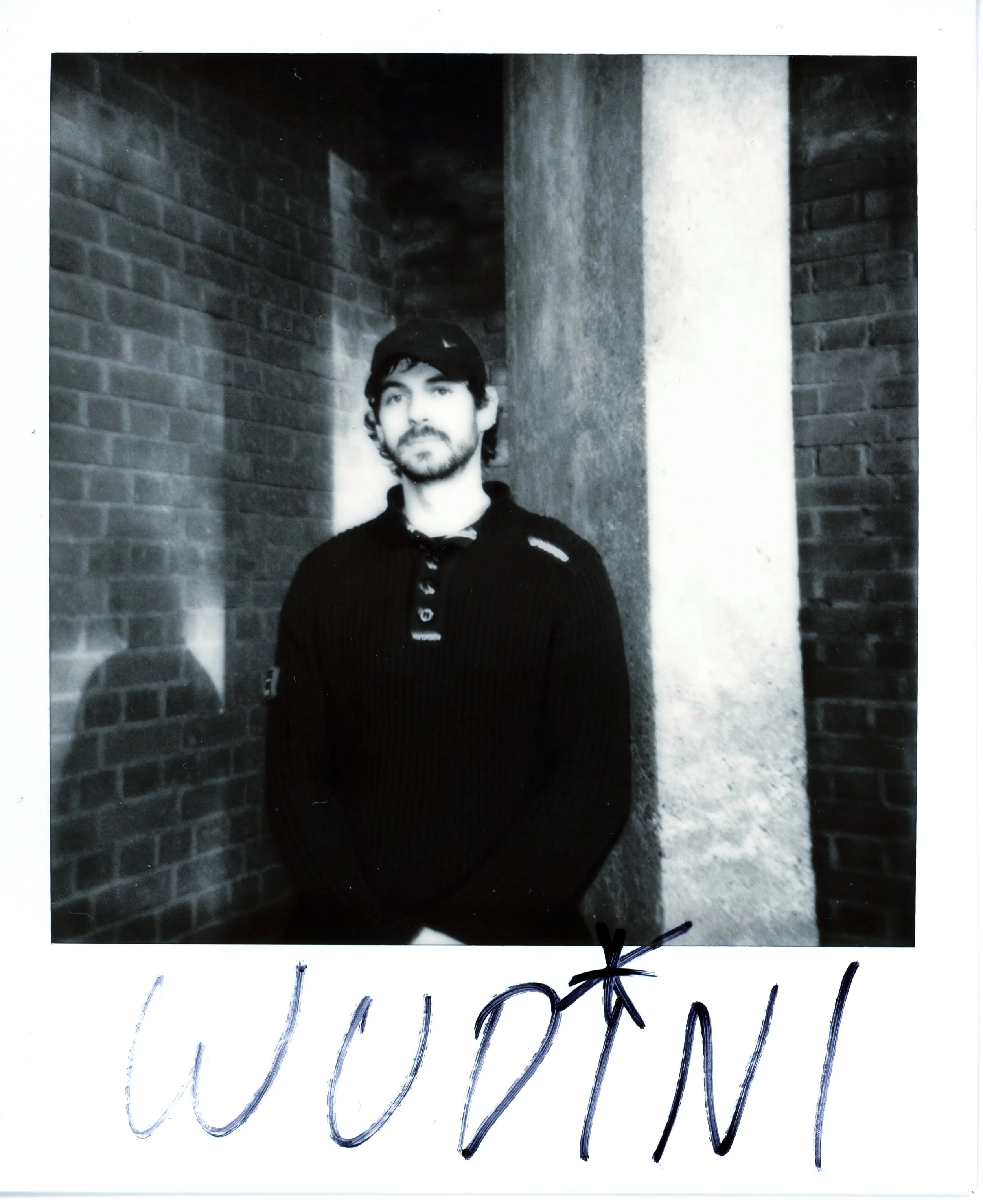
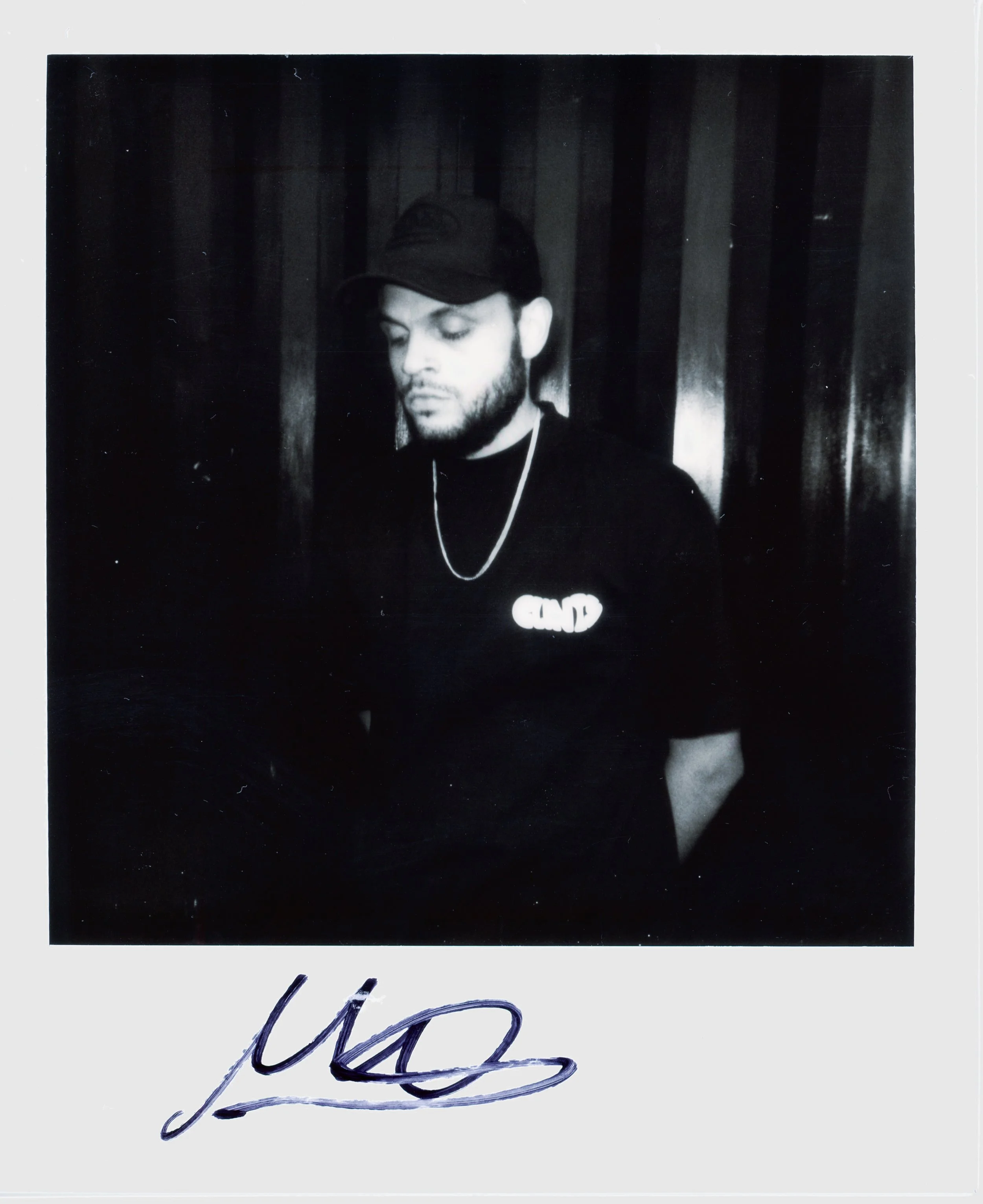
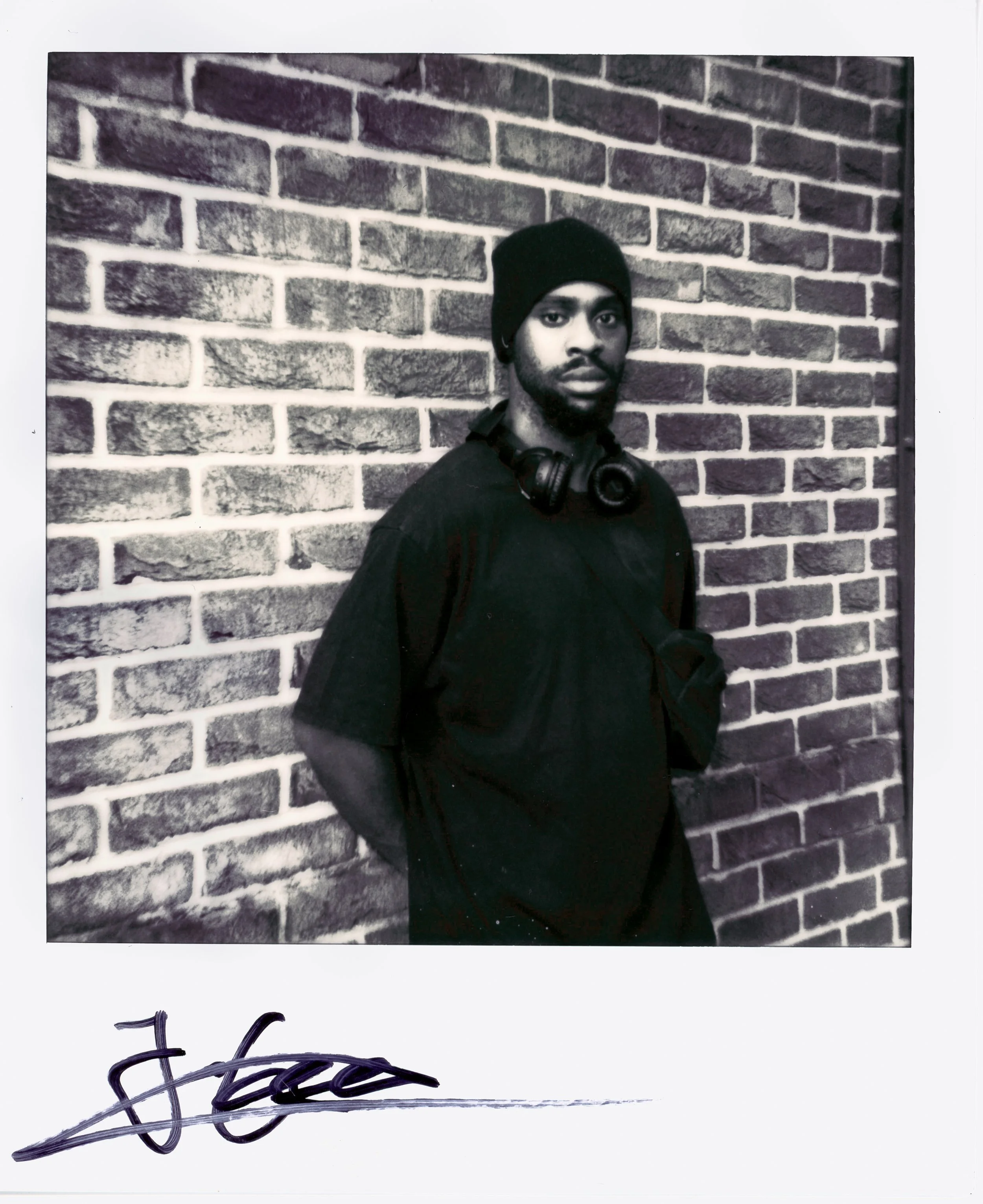
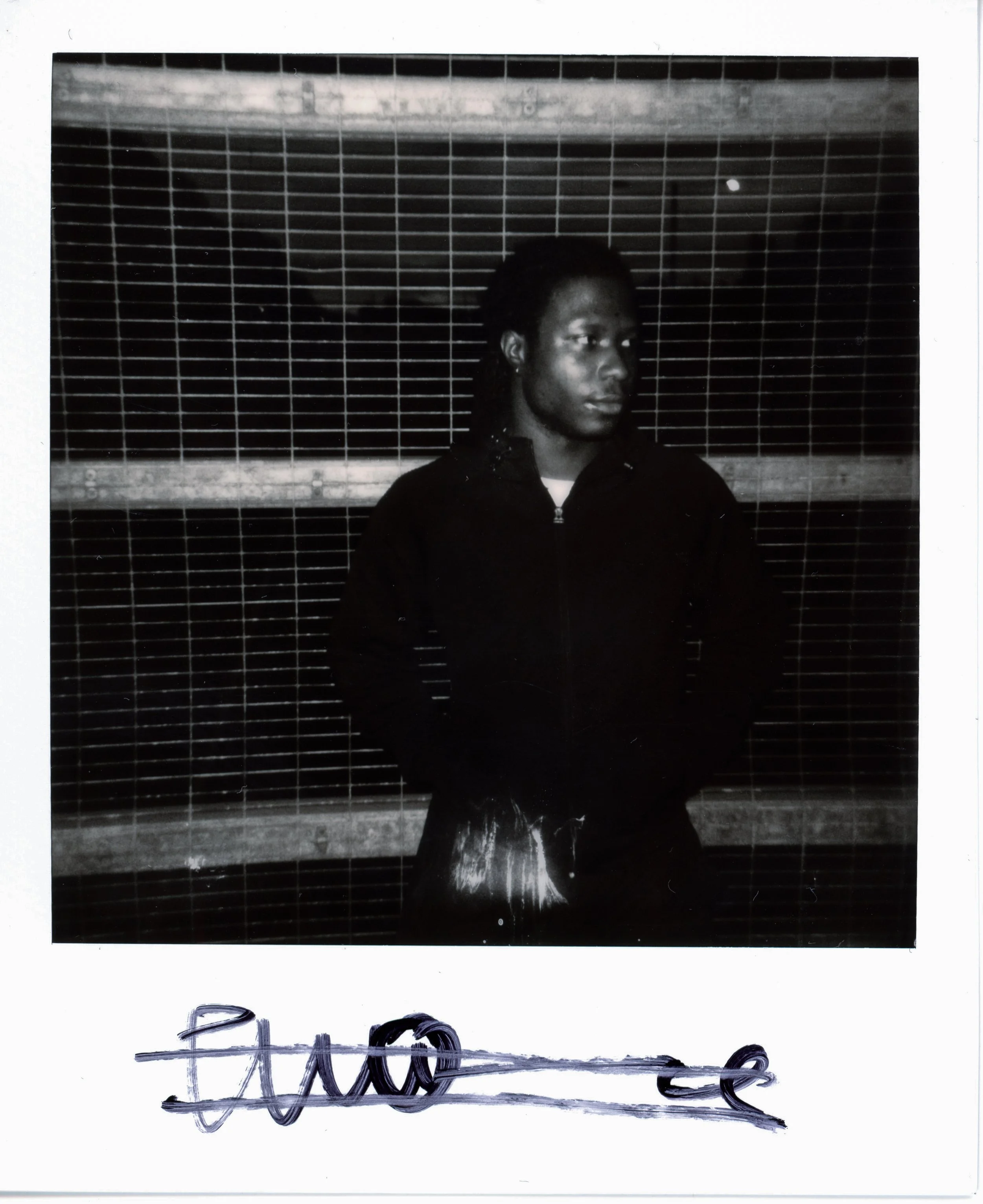
BADBOY studios is a physical manifestation of the grime and rap scene growing outside of London, but also reminiscent of the DIY attitude that is ingrained into the culture of grime, as they go on to tell us later on, “Everything about BADBOY is DIY.” Seeking to learn more about the process of documenting Wythenshawe, we interviewed the upcoming publication to capture the importance of documenting this historically ignored town and new music scene.
What’s your background?
I’m a BADBOY through and through. That’s all you need to know.
What is bad boy culture to you and what's your relationship with Grime?
It’s hard to describe. It’s like, if you know you know. It’s a gut feeling. I heard Nothing Compares 2 U by Sinead O’Connor for the first time in years and immediately thought ‘this is bad boy’.
The first grime song I remember hearing was by Bugzy Malone, I was in high school, and I hated it. It was nothing personal though. I didn’t like grime for a good few years and then it was like a switch flipped for me. Suddenly, it was the maddest stuff I'd heard. When I first started getting into grime, my older brother showed me the Skepta vs Wiley clash and their respective diss tracks. When we listened to ‘Nasty’ my brother was like ‘yeahhh bad boy!’, hence the name.
Is Bad Boy’s gender specific or is it more of an encompassing phrase that is also an ethos?
Anyone, anything, can be BADBOY! It’s not a one size fits all thing. It’s definitely an ethos more than anything. It feels quite broad in that it can be used to describe anything, which leaves the platform open to document whatever peaks my interest.
Describe your time with the crew behind 10,000 hours, what did you see, learn from the experience? How did you involve yourself in the crew authentically to document them?
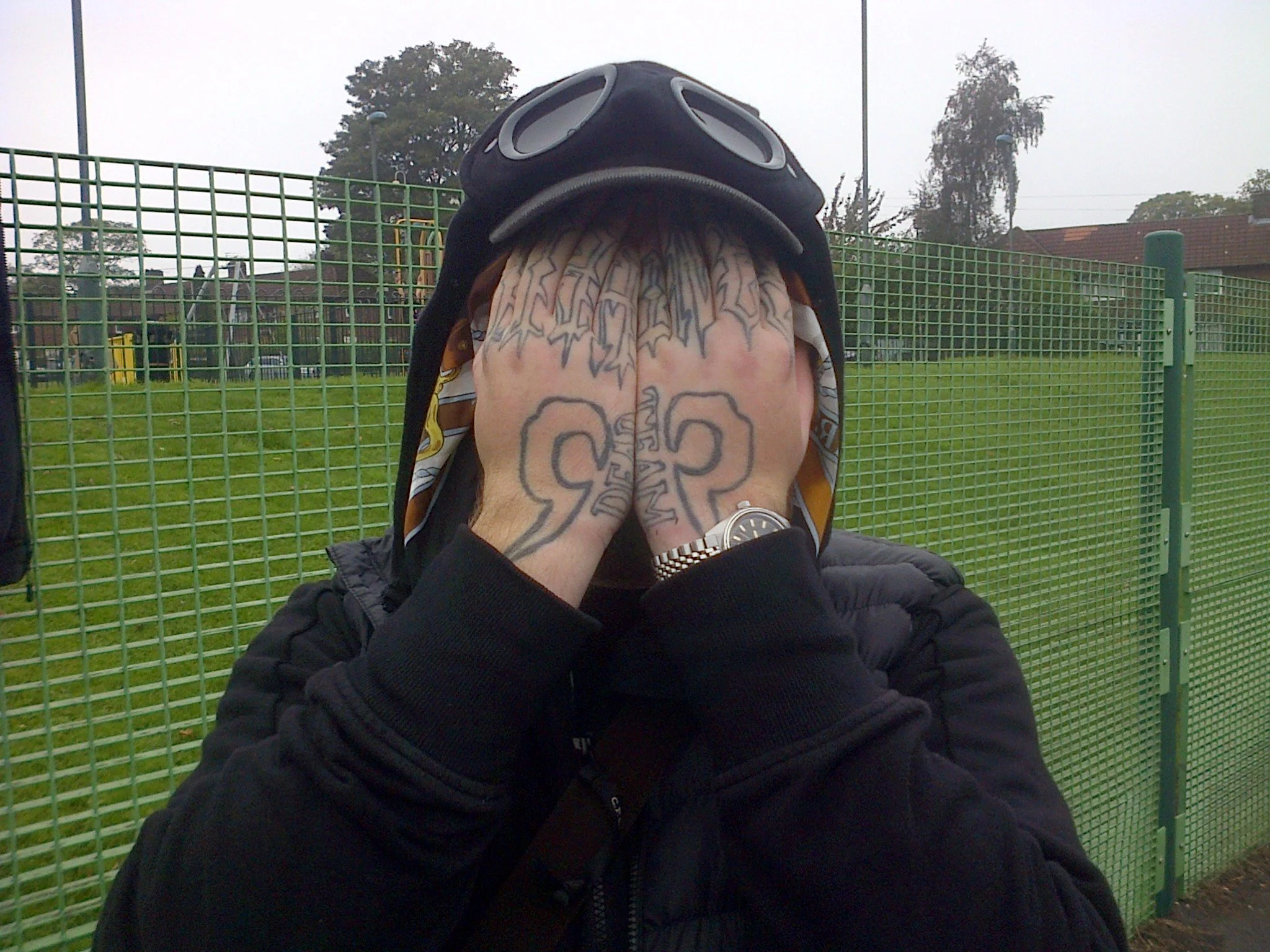
We all knew each other going into it so every time we met up it was casual and pretty chilling. There was never any pressure on anyone, it was collaborative and natural. Most of the guys grew up together so it was cool seeing how their friendship translated into them collaborating as artists in such a cohesive way.
I took more of an observer role in watching how they moved and the way they interacted to inform how I’d document them. There were a few times the artists asked for direction and I told them to just stand there because I didn’t want anything too posed. And it worked. So my biggest takeaway was to trust myself.
DIY culture is ingrained into grime and rap, how has this shown up in your experience documenting northern artists? The photography in the magazine strikes a really engaging line between professionally made whilst also challenging stereotypical norms of how a magazine would look - in short, DIY.
Everything about BADBOY is DIY. I have no training or education in a creative discipline and my experience is very limited. The shoots that we did for Volume One are the first shoots that I’ve ever done. It’s the first time I’ve really designed something too - I’ve been googling how to edit along the way. I took on the role of director, photographer, and editor all in one go and hoped for the best. All thanks to God, it’s been working. This is something I’ve wanted to do for years now and when I heard about 10,000 Hours I knew it was time to go for it!
One of the last photos of the magazine is the Union Jack with a dark photo of a police station in the background. Was the way you laid out the photography done purposefully or randomly? The aesthetic of the photos also feels eerily reminiscent of the late 2000s.
Everything was done intentionally. I wanted the magazine to tell a story, or paint a picture, and the way the images were structured was critical to that. It starts with setting the scene in Wythenshawe, introducing each of the memorable locations chosen by the artists RenzNiro, Grim, and Dunamis. Then we see them across the town, gaining some insight into the places they grew up and how that influenced their sound. The body of the magazine feels hopeful, even triumphant, so I added the police station as a reminder of [one of] the overarching systems in place to hold minorities back. It’s a reality check.
How does the Wythenshawe grime/rap scene compare to London? And are the challenges faced the same, or even harder?
Exposure is definitely something that anyone outside of London struggles with. It’s like you’ve got to go ten times harder to get the same results so there’s more passion and more on the line. And I think there’s more heart in Wythenshawe too; there’s something special about that place.
I don’t think it’s fair to compare the two. Wythenshawe’s in its own league!
Could you also let us know one of your favourite moments involved in the scene? Event or not.
I saw JME, President T and Shorty perform in HMV a few years ago. It was one mic between them and a few others - it felt like the closest I’d get to experiencing the early days of grime.
The videos you’ve made of freestyle rapping with GRIM, RENZNIRO, DUNAMIS, feels very similar to the RiskyRoadz and Lord of the Mics aesthetic of the mid 2000s, is that an intentional aesthetic choice?
Yeah of course! They were the main inspirations for the videos. Clashes and freestyles are easily one of my favourite aspects of grime and you see quite a few things coming out of London but not as much from up north so I had to change that. There's been some backlash on the resurgence of the 2000s aesthetic but I wanted to pay homage to the origins of grime and this was the best way for me to do that. I shot the freestyles and some images for the magazine on my BlackBerry to keep with that style.
You told me this is your first time putting a magazine together- what does the future look like for Bad Boy studios? Archival work? More interviews? Full fledged magazine?
One day, hopefully all of the above. For now, I’m working on creating more volumes that focus on small pockets of artists from across the UK that share some intrinsic link. It’s gonna open up to more sounds and more disciplines to create an encyclopaedia of taste™. I don’t want to give it all away so stay tuned.
Follow their instagram page here
Written by Zak Hardy
Edited by Sophie Billington