
In Conversation: Album and Club Review with Baalti and Lapgan
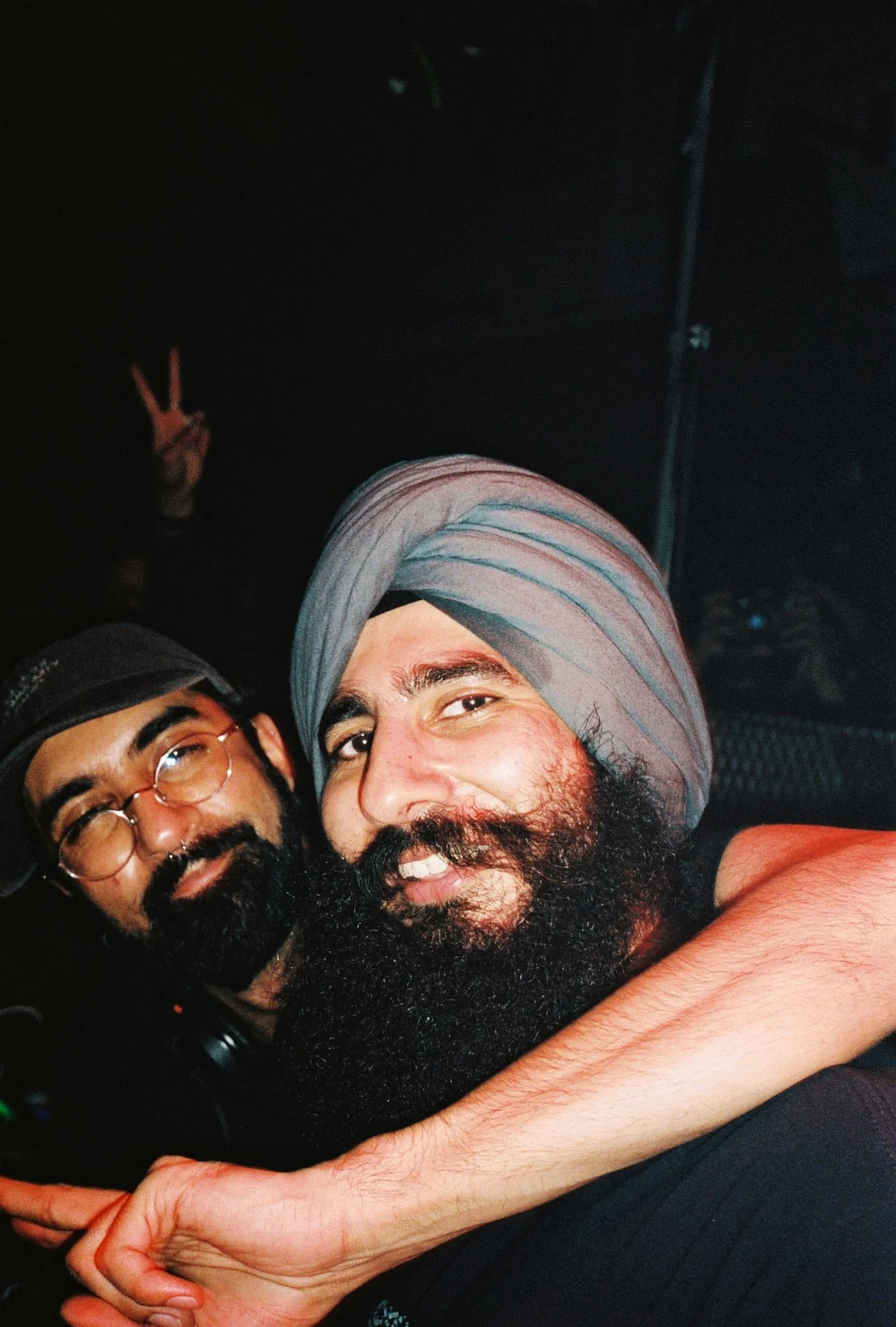
The producers Baalti and Lapgan talk about jams, sampling and composing with sonic ancestors on their latest joint-released album ‘Threads’ (April, 2026), before touching down and performing an all-night club set in the smoky abysses of Venue MOT.
Photos taken by Fabrice Bourgelle
Back in 2024, the Chicagoan hip-hop producer Gaurav Nagpal, or reversedly known as Lapgan, would meet up with the electronic duet named Baalti. Made up of producers Mihir Chauhan and Jaiveer Singh who grew up in Mumbai and Delhi, they started their music project in the Bay Area of San Francisco before relocating to New York, where they are based to this day (and would one day go on to perform with Lapgan at their local, independent station in Brooklyn, The Lot Radio).
As long-time fans of each other’s work, Mihir, Jaiveer and Gaurav found that a number of attempts to connect and collaborate across the web were simply not working, until all three of them ‘decided to take a trip to a beautiful place with no distractions and write music there.’ On that remote retreat to Joshua Tree, where the cooler heights of the Mojave meets the hotter climate of the Colorado desert, they ‘didn’t really want to put too much pressure on what would come out of the weekend and would’ve been happy if we even came away with a single track.’ Something must have clicked for them however, as they managed to compose most of the nine songs on the album in just four days, ‘the tracks felt like they were just writing themselves and our workflow felt effortless from the jump.’
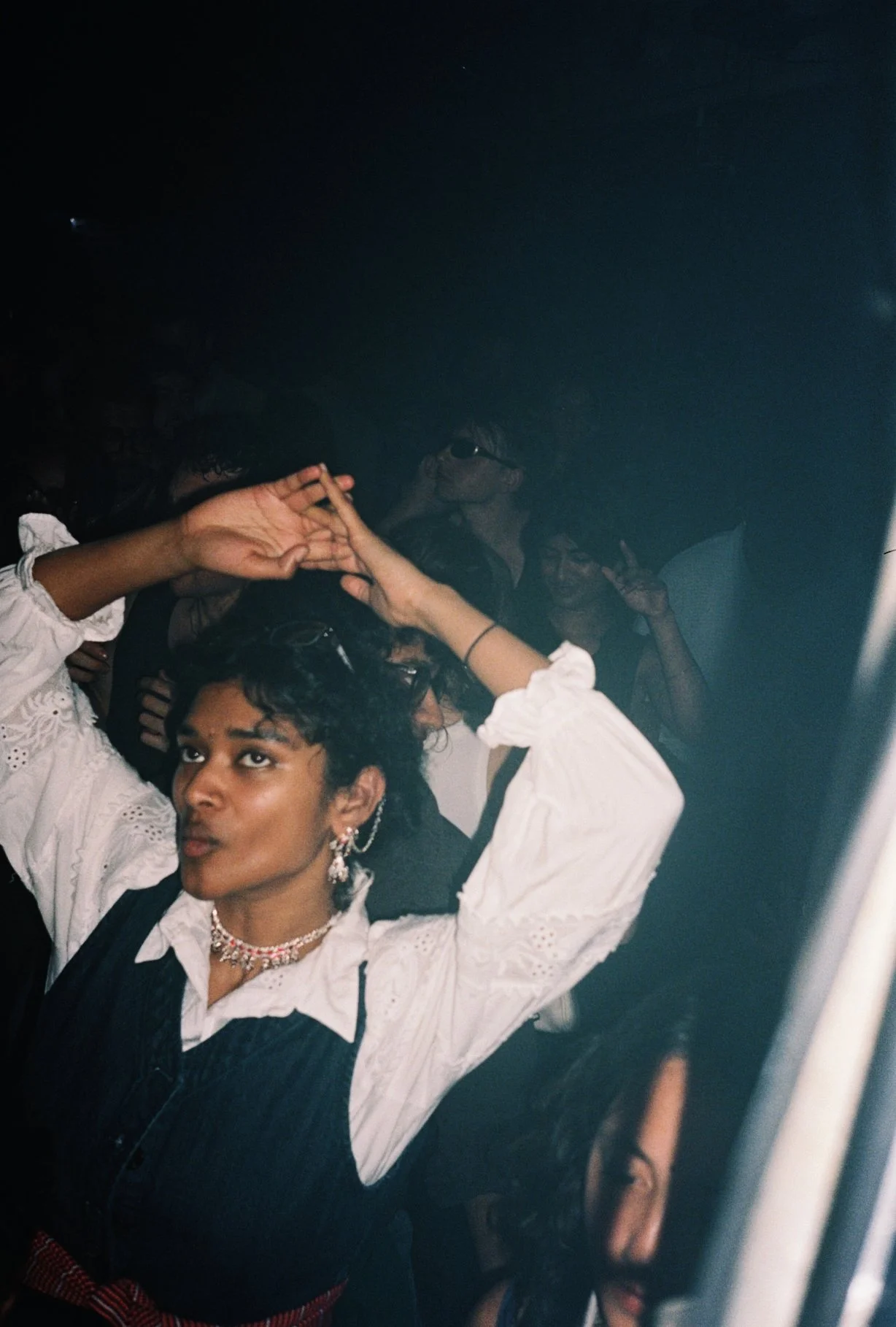
Venue MOT 9th May, Baalti all night long.
Fabrice bourgelle
That short trip would birth a joyful body of work, brimming with a rich tapestry of intricately layered percussion and melodies, where the vocal imprint of each track gives the album its strong sonic identity, ‘we like to look back at that time like we were jamming with our sonic ancestors, like the musicians we were sampling were in the room with us.’ Complimented by two music videos that weave stories set between a rural village in India and another following Pahlevani mud-wrestlers engaged in fleshy comradery, the album threads a unique blend of dreamy, almost nostalgic ambience with the wobbly, bass-shattering intensity familiar to the likes of Overmono or Four Tet. While fluidly encompassing a number of genres and moods, their latest releaseon Azal Records and FADER Label boldly rewrites South Asian heritage into forward-thinking, original bass music, without having to rely on any tried and tested tropes.
To find the right sounds needed to produce their music, this can range from YouTube deep-dives, cassettes more recently or what can be found in quite a bit of physical vinyl. ‘Our friend Nishant runs a record store in Delhi called Digging in India, so he’s always showing us new, obscure sounds, whether it be Rajasthani folk records, music of the Koli fishermen, or new age motivational music, he’s always showing us something new.’ The Brooklyn and Chicagoan based producers then loop and chop up a lot of these sounds that are then splintered across different tracks over the course of the album. This can be heard through the faint, nasal melodies petering out in the closing track ‘Jab Se’ that then bleeds subtlety into the opening track ‘Ipa Ma.’ In the motion of a mix caught up in an endless loop, the same vocals then bubble into sonic focus as the album revs itself up again, locking the listener in a hypnotic trance that I would soon see live in the flesh within a fogged-out venue, somewhere near Millwall…
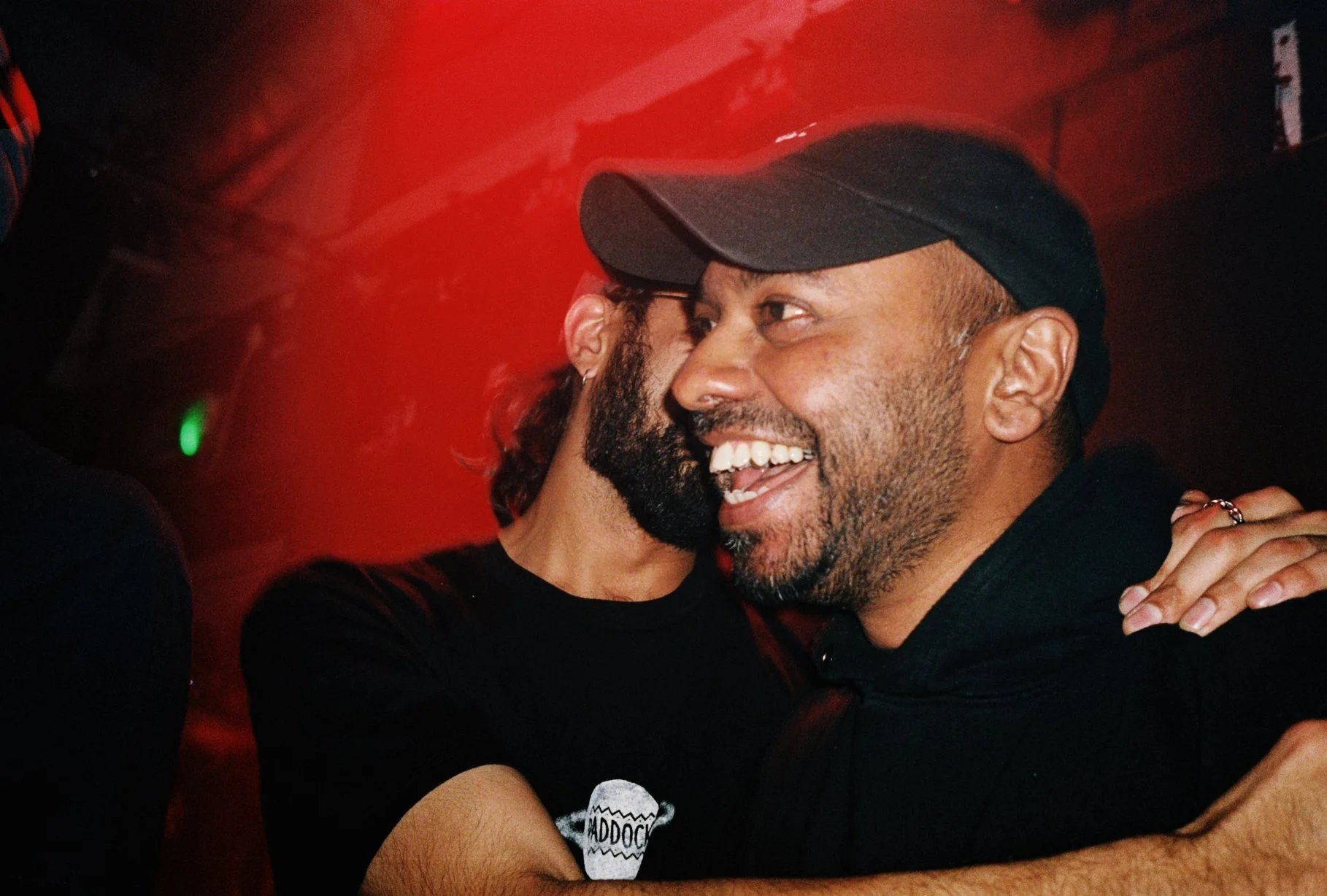
Venue MOT 9th May, Baalti all night long.
Fabrice bourgelle
Speaking of that final track’ Jab Se’, they collectively agree that it is their favourite song to feature on the album — which they managed to compose in the last 30 minutes of their brief trip in Joshua. ‘It almost didn’t even happen. Gaurav brought up the sample that I found on the drive back from our celebratory drink and was curious about working on it, and we arranged it immediately and everything worked.’ Rather than sounding like an incongruous mess, the track that builds quite neatly in fact largely came about by chance, ‘we even had a bunch of layers unmuted by accident but we loved how it turned out, and the song sounds 90% like where we left it that night.’ Ending on a crescendo that warps your perception of time and space, before dipping into some heavily distorted synths that snaps you right back into the present moment, I can see why this tune personally resonated.
Threads keeps the lo-fi crackle and hiss of the original samples to help animate the tough, metallic, lurking tones that is signature to the Baalti sound. Other tracks like ‘Romance’ recall Lapgan’s input more concretely, where the abrupt boom-bap clap makes you want to twist your neck to what feels like a Lollywood sampled rendition of J Dilla’s ‘Donuts’. Appropriately tuned to the filming of wrestlers getting body slammed within an Akhadas training ground, the song could work as a fitting beat for the other esteemed artists like Heem, Open Mike Eagle and Saul Willaims that Lapgan has worked with.
Nothing on the album, however, can compare to the sonic carnage at the end of ‘Lime Tikka’, where the loud, acoustic South Indian reed instrument known as the nadhaswarma gradually floods the tune with an aural velocity comparable to that of a freight train hurtling towards you. Following the story of a young girl named ‘Satellite’, who pulls together a bricolage of bamboo sticks, wires, old televisions parts and metal scraps to craft the very thing she is named after—the music video visually reinforces that same sonic momentum when the makeshift satellite begins to shake rapidly, as it prepares to launch itself into space.
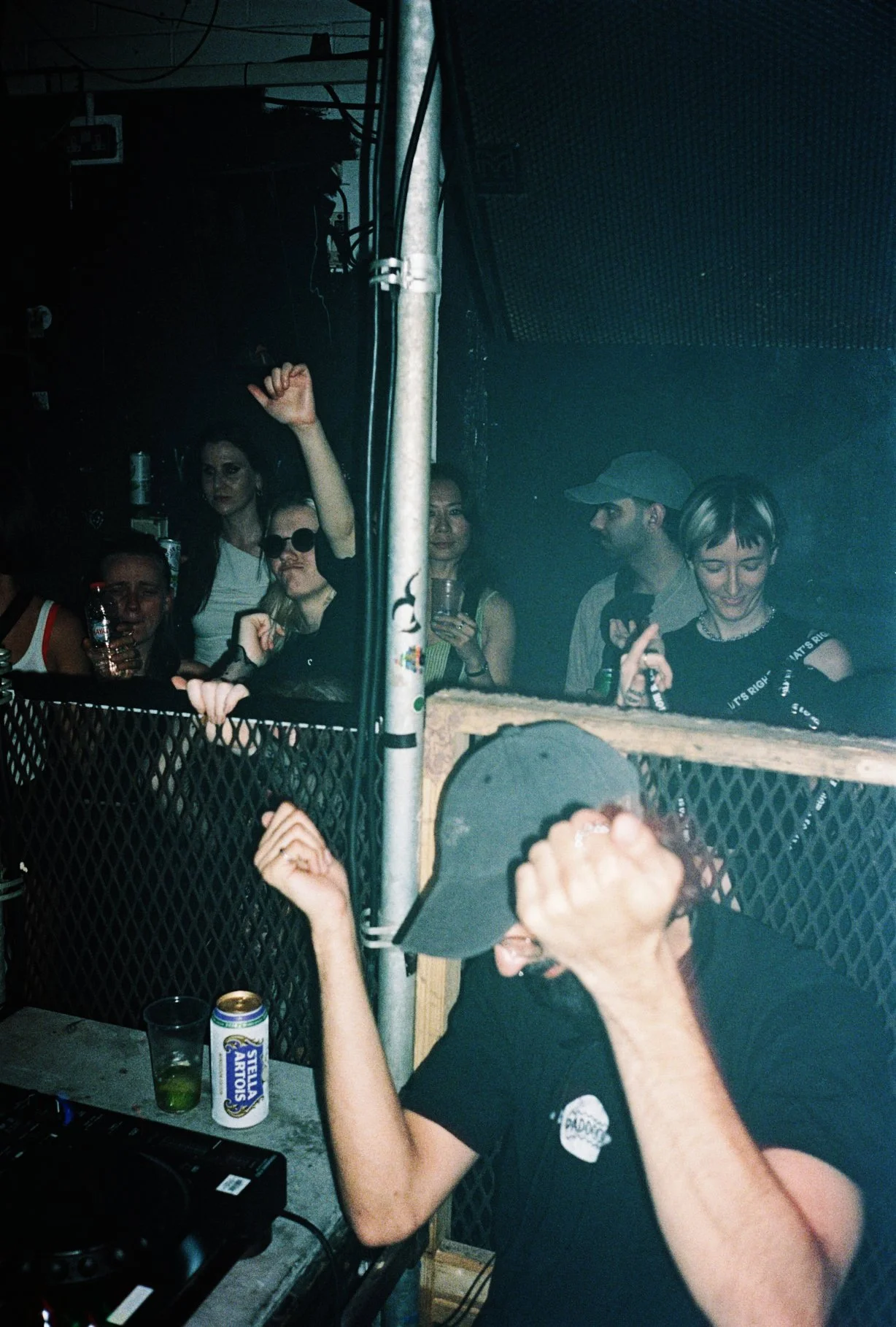
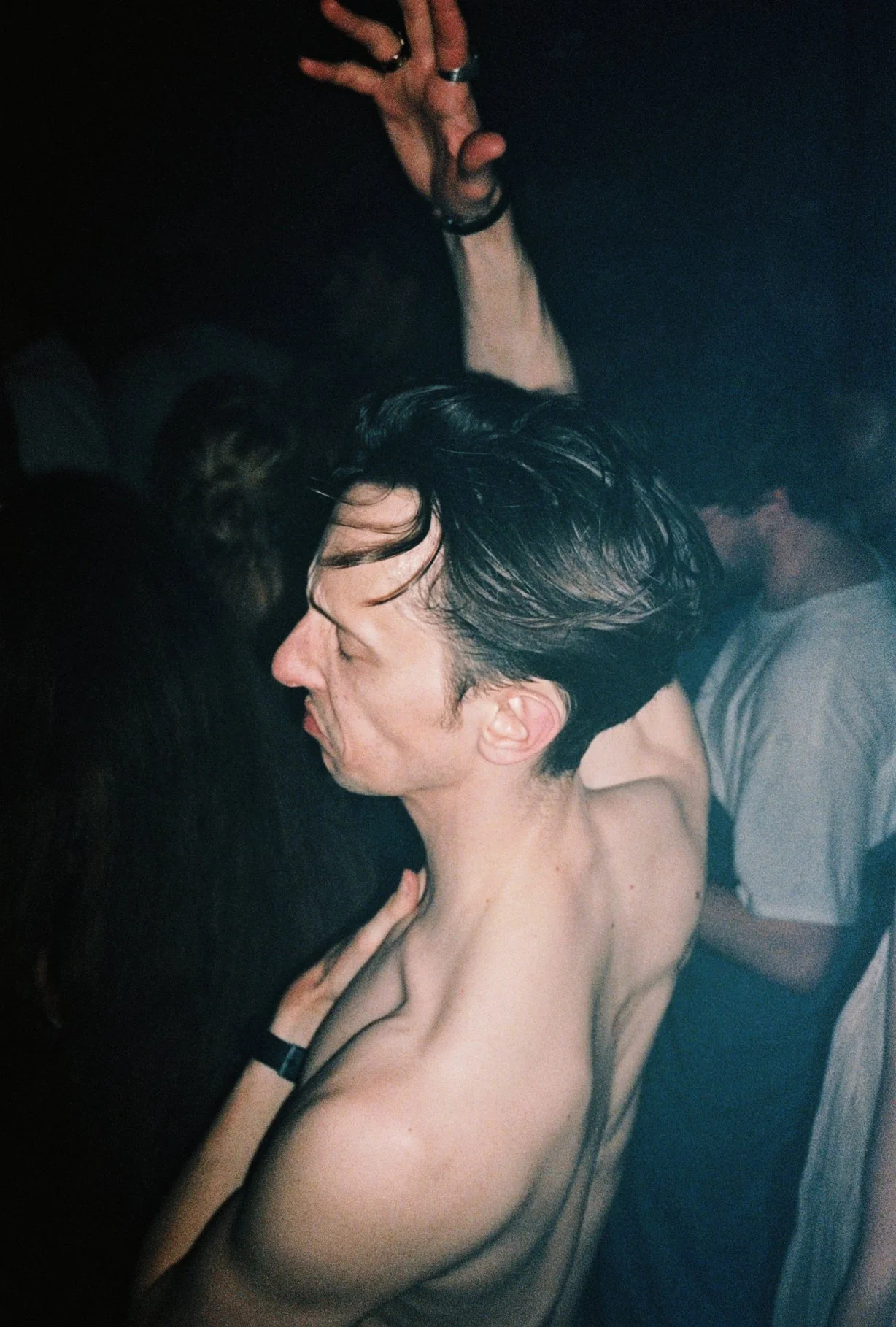
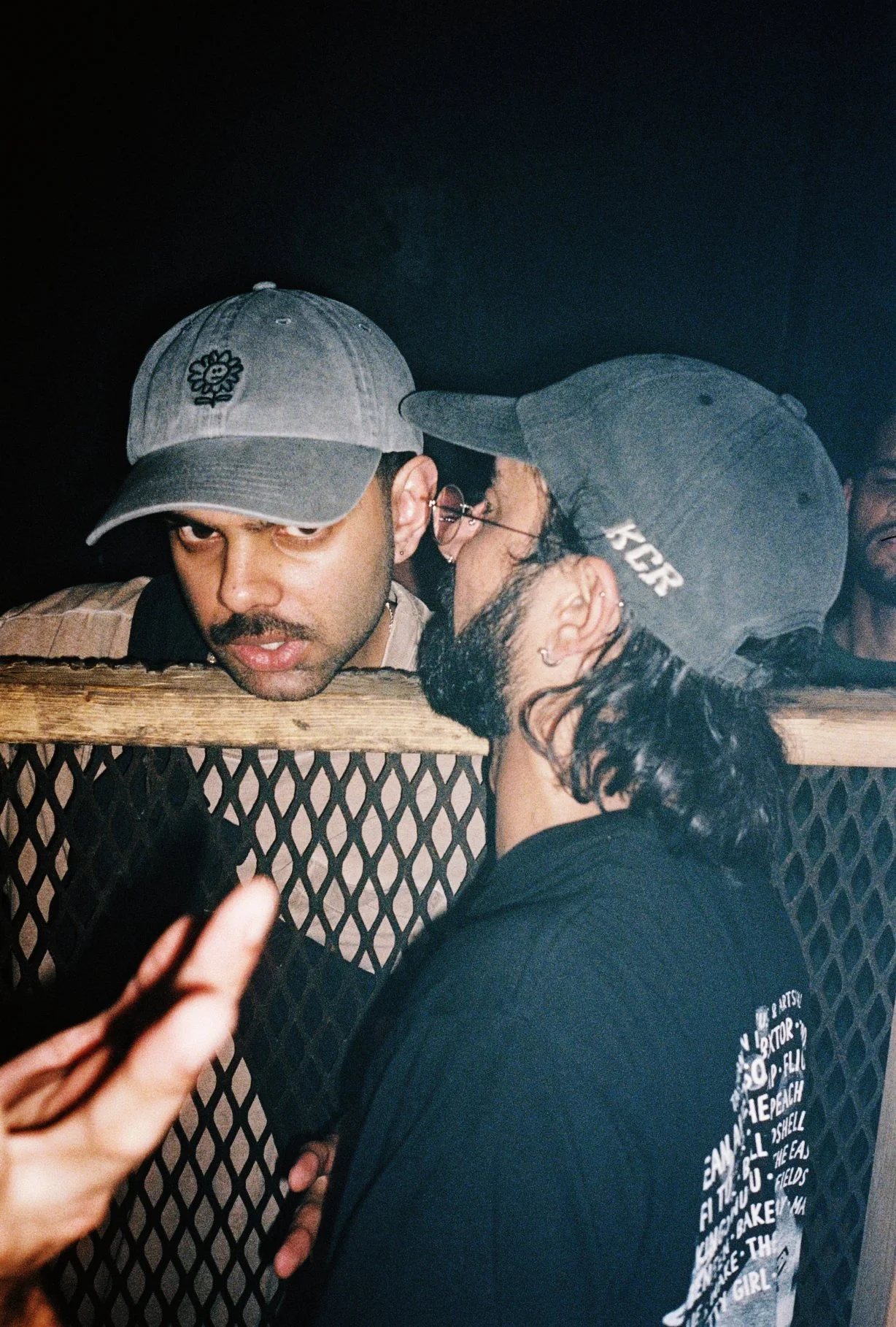
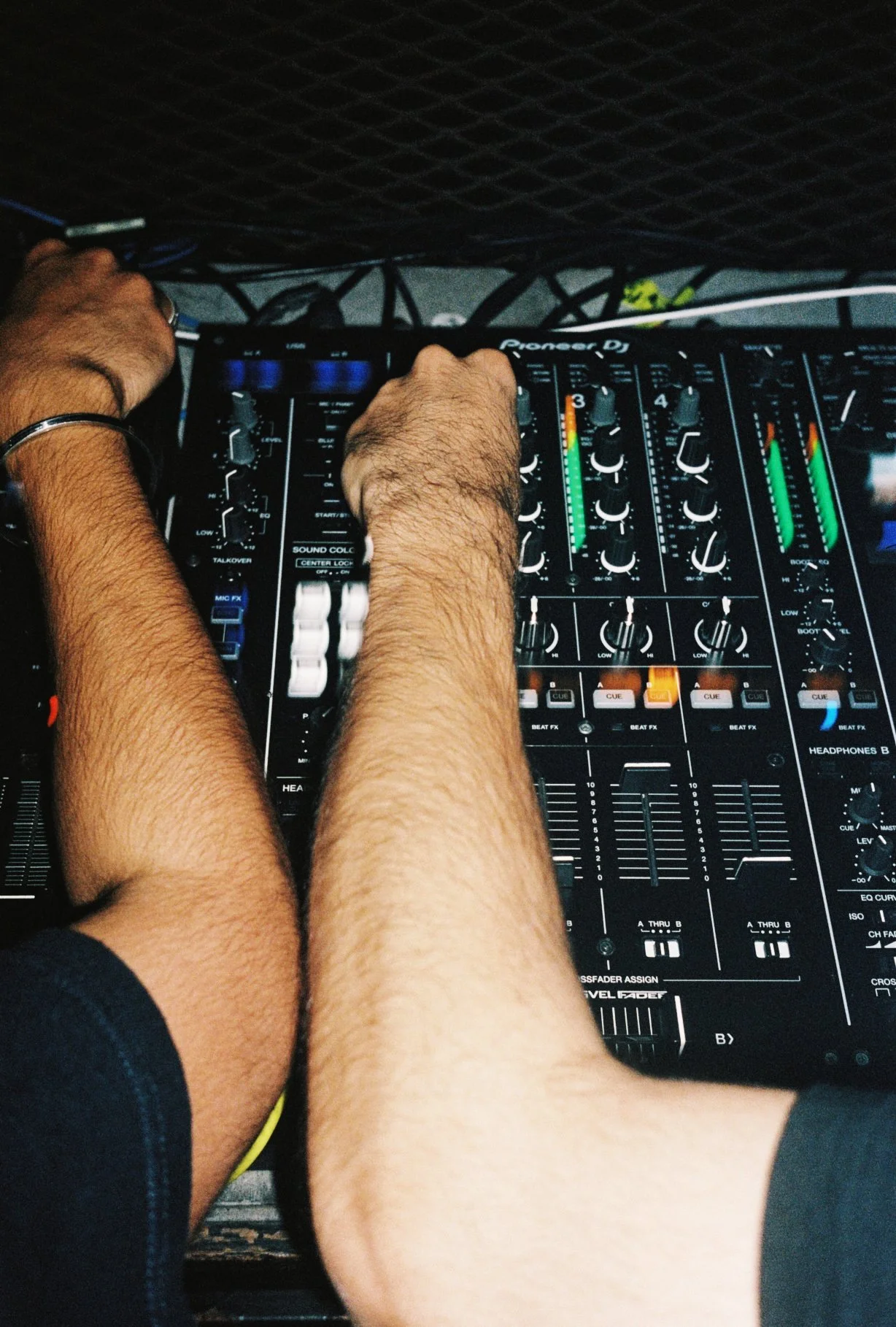
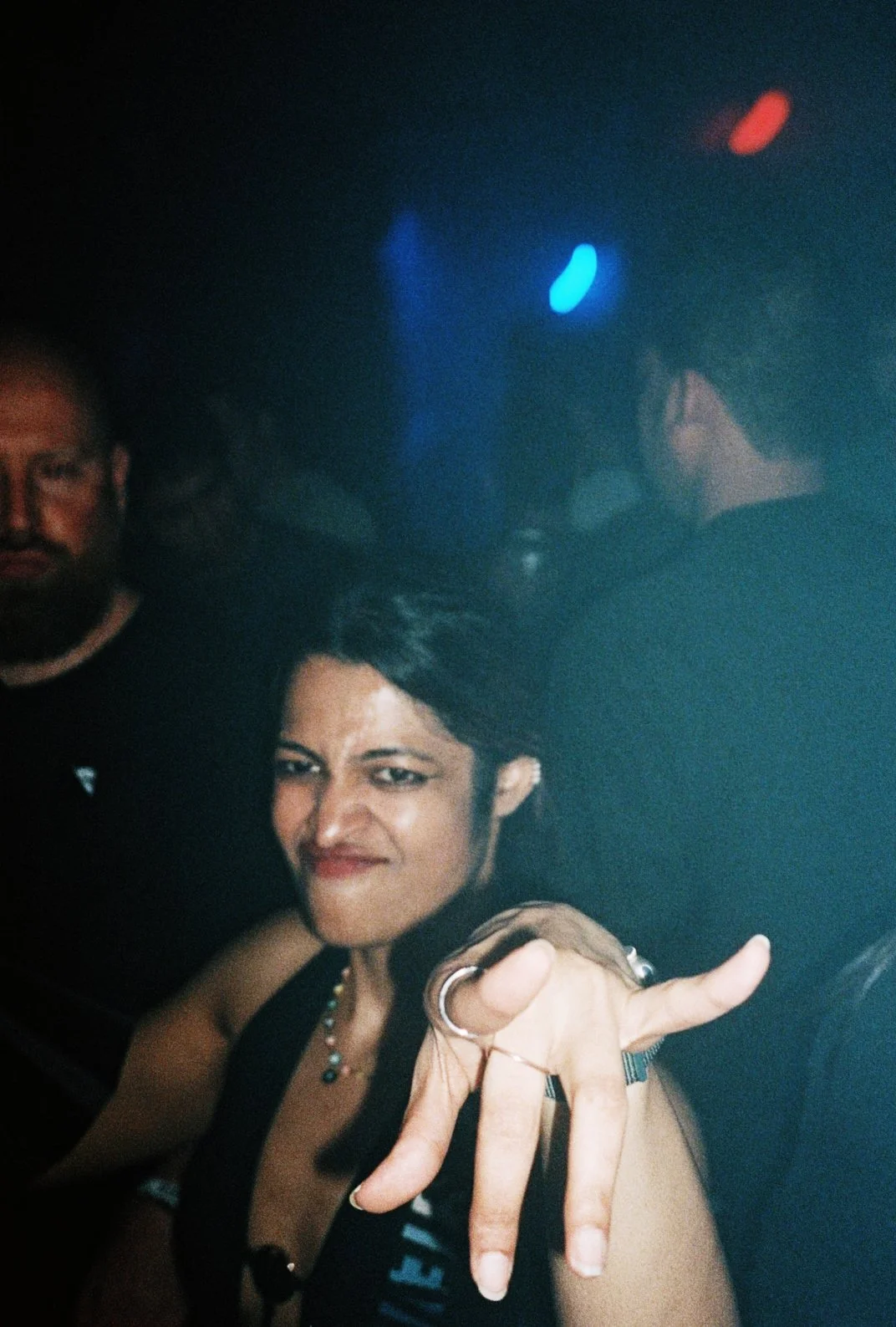
Dubbing it as one of their favourite nights out, Jaiveer and Mihir saw the all-night set that they held down as ‘a really nice opportunity to take people through the entire Baalti story and strap in for a proper voyage.’ Removed from the serenity of the desert, Venue MOT could incubate the dark, sweaty, murkiness that can get you locked in with a number of tunes spanning from their ever-expanding catalogue. At one point, I could see them both jumping ecstatically as they mixed in their 2023 release ‘Buttons’ before one of them would speak into the mic, checking in on the ravers they could barely make out from the fog right in front of them, ‘we rarely ever get to play longer sets and this was our first ever 6 hour marathon. Usually we’re constrained to just an hour or 2 with our sets but with an open to close set we could finally play tunes from pretty much every era of our career.’ Joy was certainly felt on both sides of the decks, as front-row dancers could be seen clutching onto the wire-mesh fencing surrounding the booth.
Sending us all into an increasingly, frantic frenzy, where anything from Angolan Baile funk and the infamous snares of Omar Souleyman’s Dabke anthem ‘Ya Bnayya’ would follow on from oscillatory, bizarre electro heaters like Nikki Nair’s ‘Sheep.’ The night would then continue to veer between Baltimore club bangers, certified UK funky four-to-the-floor rhythm and grooves, including Ahadadream x Capo Lee’s recently dropped sticky squelcher named ‘Put That Banger On Next’ (a clear nod to the peers who reciprocally rinse their tunes), before eventually settling into some beautifully composed South Asian harmonium folk tunes, that could usher in the familial warmth of a wedding reception. ‘We’re always playing off of the energy in the room and sensitive to how the room’s responding to the sounds. When it’s intimate we can tap into that a lot better and I think we both prefer smaller venues where we can do that.’
With the crowd mutually tapped into that polypercussive flow throughout the night, both Jaiveer and Mihir managed to move seamlessly between a series of interlinked genres with remarkable dexterity. ‘I think it really landed, people stayed with us until the very end’. Not a far cry from the same, colourful admixture of sounds that can propel your engagement on Threads, their work together with Lapgan coincided with what they ultimately call ‘the beginning of our friendship. Sonically, it’s really a blend of both of our styles, and a world that neither of us could have created on our own. That’s the beauty of collaboration at its best.’
Written by Reda Gray
Edited by Zak Hardy
Photography by Fabrice Bourgelle